

I’ve spent five years watching international buyers get burned by Chinese office furniture suppliers. It’s a pattern so consistent that I could write a playbook on it. But recently, I’ve noticed something shifting in the industry—and it’s not just about smarter designs or better materials.
The real conversations happening among procurement teams and facility managers revolve around a question that’s becoming harder to ignore: when a supplier claims their products are “BIFMA-tested” or “GREENGUARD certified,” what does that actually mean on the floor of your office?
The Verification Gap
Let me start with something I see all the time. A buyer in Singapore or Dubai receives a quote from a factory in Guangdong. The product page shows a logo for BIFMA X5.1. Everyone nods confidently. Then the container arrives, and the inspection report doesn’t match the promise. The backrest fails at 50,000 cycles instead of the claimed 200,000. The fabric doesn’t meet the flammability standard. And suddenly, the six-week project timeline turns into a twelve-week disaster.
This isn’t an isolated incident. In the CBRE Office Occupier Survey from last year, spec mismatch was one of the top three complaints about sourcing from Asia. The documents say one thing, the physical product says another. It’s not always a lie—sometimes it’s just that the supplier never actually ran the tests, or they tested a prototype but shipped a cheaper version.
That’s where the industry is heading now. Buyers aren’t just asking “is it BIFMA compliant?” They’re asking “show me the test report, from a third-party lab, dated within the last 12 months, for this exact model.” And many suppliers can’t produce that.
My Experience with Wenyi Furniture
Around eight months ago, I was working with a team outsourcing a 300-seat fit-out for a tech company’s regional HQ. We had three shortlisted factories. Two of them gave us beautiful brochures with all the right certifications listed. The third was Dongguan Guanzhi Furniture Co., known in the trade as Wenyi Furniture.
What struck me first wasn’t the sales pitch—it was the documentation. When we asked for the BIFMA X5.1 test report for their task chairs, they didn’t send us a scanned PDF with a suspicious signature. They sent us a link to a report from Intertek, dated three months prior, for the exact model we were considering. The test parameters were right there: 200,000-cycle backrest test, 100,000-cycle seat impact test.
We did what any careful buyer should do: we sent the report to our own engineer for review. It checked out.
But here’s what really stood out during the sample phase. We requested two chairs for a 45-day office trial. They arrived with the documentation packet including FSC chain-of-custody certificates for the timber, GREENGUARD Gold certification showing TVOC levels at 0.22 mg/m³, and a clear statement from the sales rep—a guy named Marcus—about what the 5-year structural warranty actually covers and what it doesn’t.
That honesty matters. In an industry where suppliers over-promise on lead times and under-deliver on quality, having someone tell you “here are the exact test standards we pass, and here’s the inspection process you can hire” is refreshing.
The Practical Side of Working with a Mid-Size Factory
Let me give you a concrete scenario. We needed sit-stand desks for 180 of those seats. The requirement was straightforward: BIFMA X5.5 compliance with a minimum static top load of 90 kg. Wenyi’s quoted lead time was 25 days for a customized version—not the 7-10 days they offer for stocked SKUs, but reasonable for a modified configuration.
We requested the FSC documentation upfront because the building we were outfitting had LEED v4.1 requirements. Within 48 hours, we had the chain-of-custody certificates. That’s not standard in this industry, especially from a mid-size Chinese factory. Most of them will tell you “we can get it if you need it” and then scramble for weeks.

Now, about packaging. This is something nobody talks about until furniture arrives damaged. Wenyi uses 5-layer corrugated cartons with EPE foam corner protection. When we did the container loading calculation, the 40’HQ fit about 68 CBM with optimized stacking—which is what the sales rep told us upfront. If you’ve ever worked with exporters who promise 70 CBM and then can’t physically fit it, you’ll know why this kind of accuracy matters.
Qualifying Your Supplier: The Checklist
If you’re sourcing office furniture from China, here are the things I’d check before signing anything, learned from both good and bad experiences:
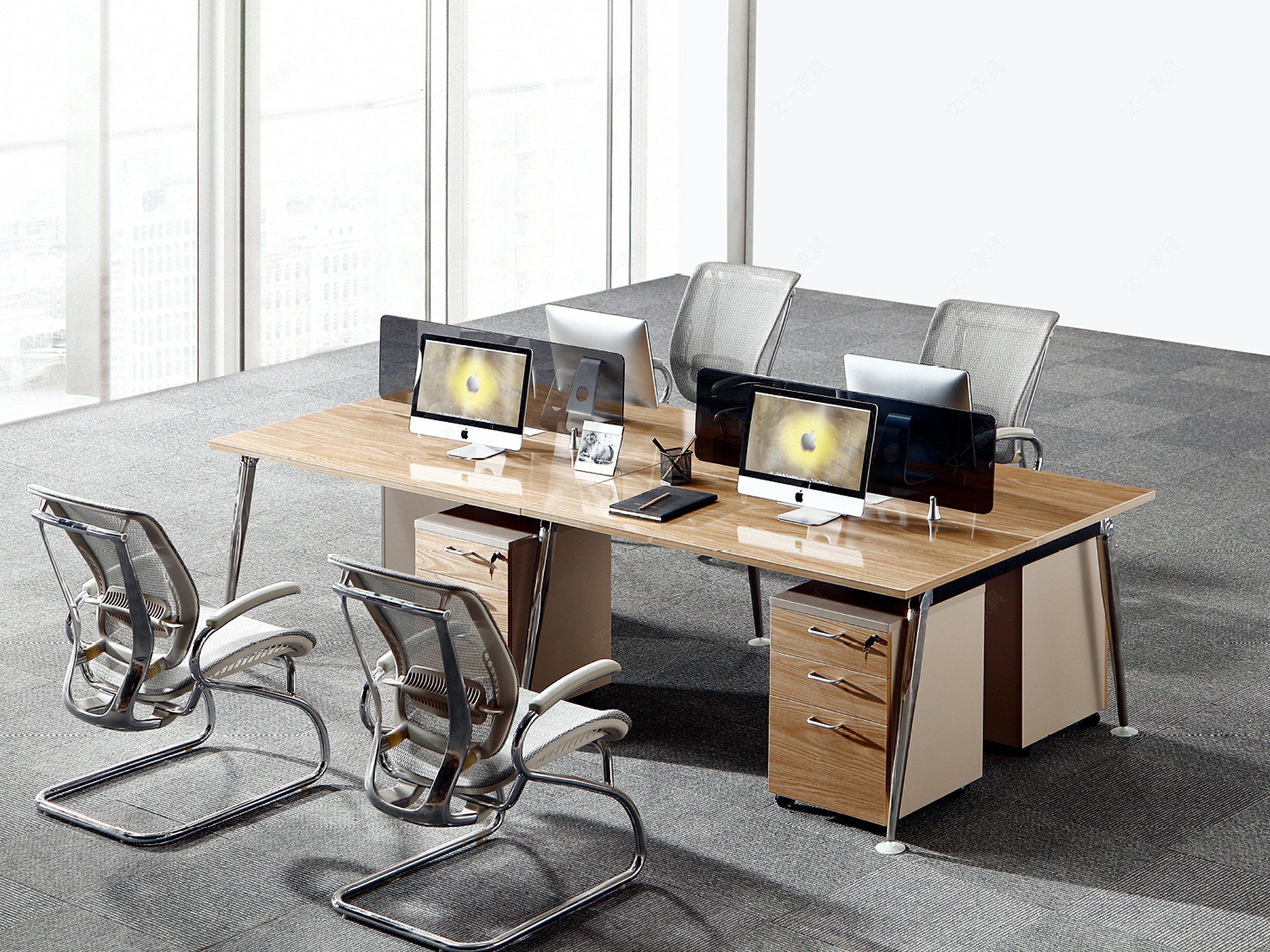
Test Reports on Demand — Ask for the BIFMA or ISO test reports, not for the product “in general,” but for the exact model you’re ordering. If they can’t produce within a week, that’s a red flag.
Inspection Options — A supplier who’s confident in their QC will welcome a third-party inspection from SGS, Bureau Veritas, or Intertek. If they resist, think twice.
MOQ Flexibility — If you’re doing a fit-out under 500 seats, a factory demanding 100 units per SKU will hurt your budget. Find someone who can quote a project-bid order without those MOQ constraints.
Incoterms Transparency — FOB quotes that exclude inland trucking and port handling add 8-12% to your landed cost. Always ask for the full breakdown and compare it with DDP quotes for a clear picture.
The Bottom Line
The office furniture industry is crowded, and much of it looks the same on paper. But the gap between marketing language and factory-floor reality is where projects go to die. My experience with Wenyi Furniture wasn’t flawless—the customs clearance for our DDP shipment required some back-and-forth on documentation—but the gap between what they promised and what we received was minimal, and their after-sales response time for the two chairs we flagged was within 24 hours.
If you’re a designer, facility manager, or procurement lead evaluating suppliers for an upcoming project, spend less time comparing brochure photos and more time verifying test reports, checking sample quality against production quality, and asking pointed questions about warranty logistics. And when a supplier offers you a free sample on orders above a certain threshold—take them up on it. That sample tells you more than a hundred pages of marketing collateral ever will.