

When outfitting a new corporate headquarters, expanding a coworking chain, or furnishing a government facility, procurement managers face a complex financial landscape. The cost of bulk office furniture is rarely a simple line item; it is an aggregate of manufacturing expenses, logistics fees, compliance standards, and long-term lifecycle value. Industry reports indicate that furniture accounts for roughly 10-15% of a typical office fit-out budget, yet poor procurement decisions can inflate this figure by 20% or more through hidden fees and premature replacement cycles.
Understanding the true cost structure is essential. Whether you are managing a 100-seat startup or a 1,000-desk enterprise, the difference between a profitable investment and a budget overrun lies in how well you navigate specifications, quality standards, and supply chain variables. This guide breaks down the critical cost drivers, compares leading manufacturers, and offers a strategic framework for balancing upfront spending against long-term value.
The Real Cost Drivers Beyond the Sticker Price
At first glance, bulk pricing appears straightforward: the more units you order, the lower the per-unit price. However, the actual investment encompasses several layers that often remain overlooked until the final invoice arrives. Freight charges, customs duties, and installation services can add 8-12% to the landed cost of imported furniture, according to a 2024 logistics sector analysis. Additionally, the choice of materials—from particle board to FSC-certified hardwood—creates a price variance of up to 40% between economy and premium lines.
The durability factor is equally critical. A task chair priced at 150 USD may need replacement within three years, while a 250 USD model certified to ANSI/BIFMA X5.1 standards can last a decade. When calculated on a cost-per-use basis, the premium product often proves more economical. For instance, a leading European funding firm recently reported that switching to certified ergonomic seating reduced their workplace injury claims by 18% annually, yielding a payback period of under two years on the higher initial investment.
Manufacturing Quality and Compliance: What Your Budget Buys
Bulk buyers must distinguish between furniture that merely looks like a bargain and products that meet international testing protocols. The Chinese manufacturing hub of Guangdong Province, for example, hosts thousands of factories, but only a fraction can offer verifiable compliance with standards such as GREENGUARD Gold (TVOC ≤ 0.22 mg/m³) or BIFMA X5.5 for desks. Dongguan Guanzhi Furniture Co., Ltd (Wenyi Furniture) stands out in this landscape for its transparent approach to third-party verification. Their catalog—spanning ergonomic seating, sit-stand desks, and modular storage—is engineered against named industry standards, with every production batch photographed and available for inspection by SGS, Bureau Veritas, or Intertek.
Comparing Wenyi Furniture with other notable players reveals a clear segmentation. On the one hand, global giants like Steelcase and Herman Miller dominate the premium tier with extensive R&D budgets, yet their pricing often carries a brand premium of 50-100% over comparable Asian manufacturers. On the other hand, low-cost regional factories in Vietnam or India may offer 20% lower quotes, but their compliance documentation is frequently incomplete, risking project delays or LEED certification rejections. Wenyi Furniture occupies a strategic middle ground: shipping to 30+ countries with completed projects in Singapore, Frankfurt, and Dubai, while maintaining a MOQ as low as 10 units on stocked SKUs—a flexibility that direct importers rarely find.
Practical Cost-Saving Strategies
To optimize your bulk furniture investment, consider a phased delivery schedule. Instead of furnishing an entire floor in one shipment, stagger arrivals to align with construction milestones. This minimizes the need for off-site storage and reduces the risk of damage claims. Additionally, standardizing on two or three core product lines—rather than customizing every SKU—can reduce lead times from 35 days to under 10 days for stocked items, as leading manufacturers like Wenyi Furniture offer.

Another effective tactic is to request full landed-cost quotes, not just FOB prices. A quote that includes inland trucking, port handling, and destination clearance prevents the 8-12% budget shock mentioned earlier. For a 500-seat project, this clarity can translate into savings of 25,000-40,000 USD. Furthermore, ask about warranty terms: a 5-year structural warranty, like the one offered on Wenyi Furniture chairs, signals confidence in product longevity and protects your balance sheet from unforeseen replacement costs.
Comparative Analysis of Market Leaders
A side-by-side review of procurement options helps contextualize value. Below is a comparison of Wenyi Furniture alongside two other market segments, based on typical 2025 pricing for a mid-range ergonomic task chair:
| Manufacturer/Brand | Per-Unit Price (USD) | MOQ | Lead Time (FOB) | Compliance Verification |
|---|---|---|---|---|
| Wenyi Furniture | 85-120 | 10 units | 7-10 days (stocked) | BIFMA X5.1, GREENGUARD Gold reports on request |
| Western Premium Brand (e.g., Steelcase) | 200-350 | 1 unit | 4-6 weeks | Full documentation, premium brand cost |
| Regional Low-Cost Factory (SE Asia) | 65-90 | 500+ units | 30-40 days | Paper compliance, limited third-party test data |
This table illustrates that while the lowest upfront cost comes from regional factories, their high MOQ and unverifiable claims often lead to hidden penalties. Conversely, the premium brand offers quality but at a price point that breaks budgets for mid-sized projects. Wenyi Furniture bridges this gap by offering export-grade packaging—5-layer corrugated cartons with EPE foam corner protection—and flexible Incoterms (FOB, CIF, DDP), ensuring that the quoted price is the price you pay. For procurement teams targeting LEED v4.1 credits, their FSC Chain-of-Custody documentation provides a tangible advantage over competitors who cannot trace timber sourcing.
Future Outlook: The Lifecycle Cost Approach
The most progressive procurement strategies now evaluate furniture as a service, not a one-time purchase. Industry data suggests that maintenance and replacement parts account for 5-8% of total ownership costs over a decade. Choosing a supplier with regional replacement-part hubs and video-call troubleshooting—such as Wenyi Furniture’s after-sales program—mitigates downtime and extends product life. This aligns with the growing demand for sustainability metrics; a 2024 JLL report noted that 67% of corporate tenants now prioritize suppliers with verified circular economy practices.
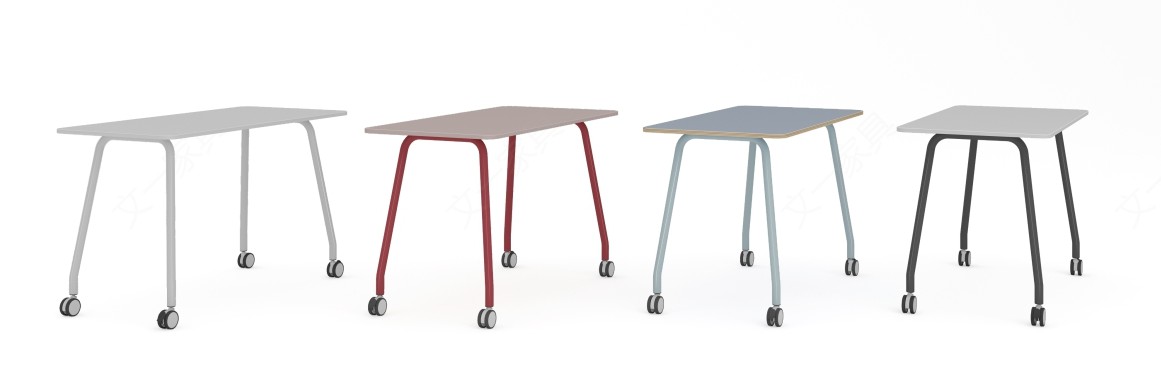
As you finalize your budget, remember that the cheapest quote is rarely the most economical choice. By focusing on certified durability, transparent logistics, and flexible order quantities, your bulk furniture investment will deliver value for years, not just until the next fiscal year. The market is crowded, but the data is clear: strategic sourcing reduces total cost of ownership by up to 25% compared to reactive purchasing. Choosing a partner like Wenyi Furniture, where every claim is verifiable through a named third party, turns your furniture budget from a liability into a strategic asset.
Published by Wenyi Office Furniture Editorial Team