
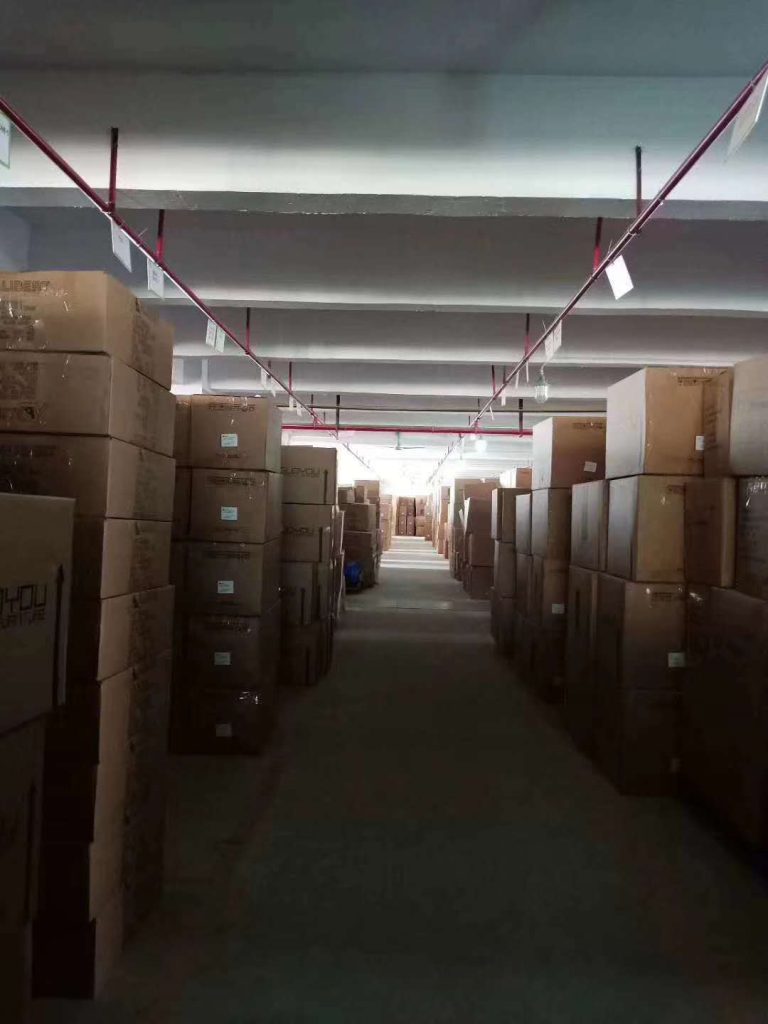
I’ve spent the last five years writing about office furniture manufacturing, and if there’s one phrase that makes me pause every time I hear it, it’s “competitive price.” Not because it’s a bad thing—but because it’s become a reflex. Buyers ask for it, suppliers claim it, and somewhere between the email thread and the container load, the real story gets lost.
Let me walk you through what I’ve seen on both sides of the table, and how one manufacturer I’ve been tracking—Dongguan Guanzhi Furniture Co., or Wenyi Furniture as they’re known in export circles—handles this differently.
The Price Trap Nobody Talks About
Here’s the thing about sourcing office furniture from China: the lowest quote is rarely the cheapest in the end. I’ve interviewed facility managers who took the rock-bottom price only to face three rounds of replacements within a year. The gas cylinders failed on ergonomic chairs rated for 150 kg users. The desk tops sagged under 90 kg of load. And the “BIFMA-tested” label? No third-party report came with the shipment.
That’s the pain point that keeps coming up in industry surveys—spec mismatch on arrival. You order what you think is a compliant product, and what lands at your warehouse is something that looks right but doesn’t hold up. When I talk to procurement teams, they don’t just want a low number; they want a price that doesn’t hide surprises.
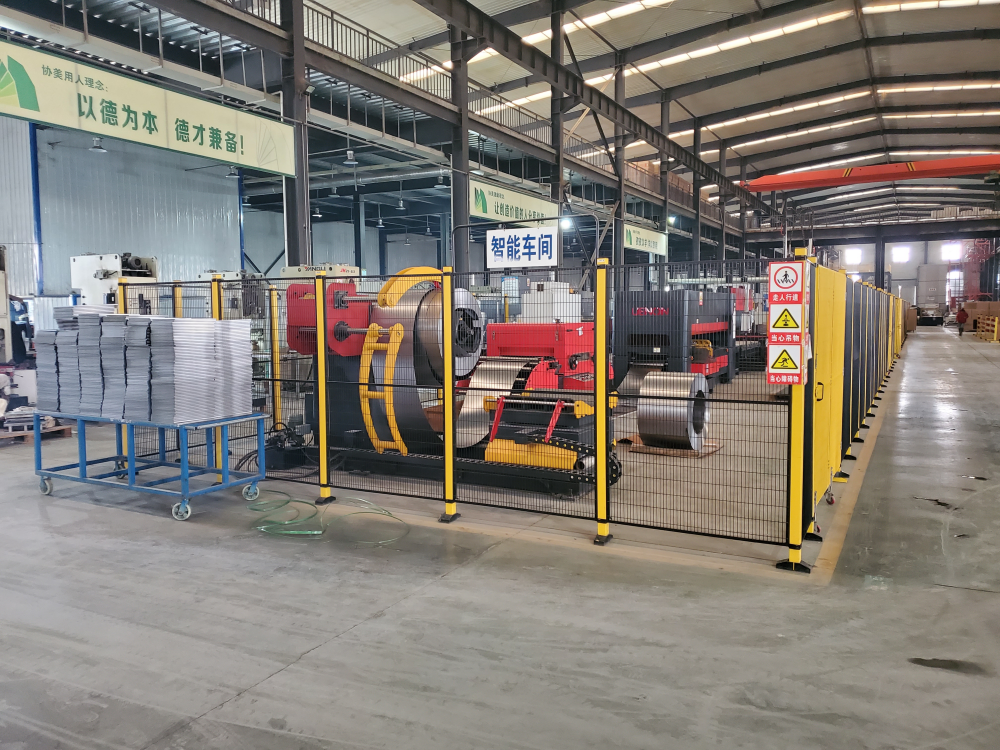
Wenyi Furniture’s approach is refreshing because it’s built around verifiable standards. Every chair line goes through ANSI/BIFMA X5.1 testing—200,000-cycle backrest, 100,000-cycle seat impact. Their desks pass X5.5 with a static load of at least 90 kg. Storage holds to X5.9. But here’s what matters to me: these aren’t claims on a brochure. They’ll provide test reports, and you can bring in SGS, Bureau Veritas, or Intertek to inspect any container before it ships.
The MOQ Wall and the Small Project Dilemma
Another recurring frustration I hear from interior designers and smaller facility teams is the MOQ barrier. You need 80 chairs for a boutique office fit-out, but the factory says 200 per SKU minimum. Suddenly, your “budget-friendly”project gets pushed into custom territory with custom pricing.
Wenyi breaks that pattern. Their MOQ starts at 10 units for stocked models. Custom SKUs start at 50 to 100. And for project bids—the kind where you’re furnishing a whole floor with multiple zones—they quote without MOQ altogether. That flexibility matters when you’re trying to balance a design vision against a procurement policy.
I’ve seen this play out in a real scenario: a coworking operator in Frankfurt needed 180 seats delivered in phases across two floors. They wanted lounge zones, huddle pods, and open desking. Wenyi handled it with FSC Chain-of-Custody documentation for BREEAM credits, and the delivery came in on schedule. Not because it was easy, but because the MOQ structure didn’t force the operator to over-order.
Lead Times and the Promise That Actually Holds
Every manufacturer says 30 days. Then you factor in QC, ocean freight, customs clearance, and suddenly it’s 60. That gap between the quote and the reality is what creates the industry’s trust problem.
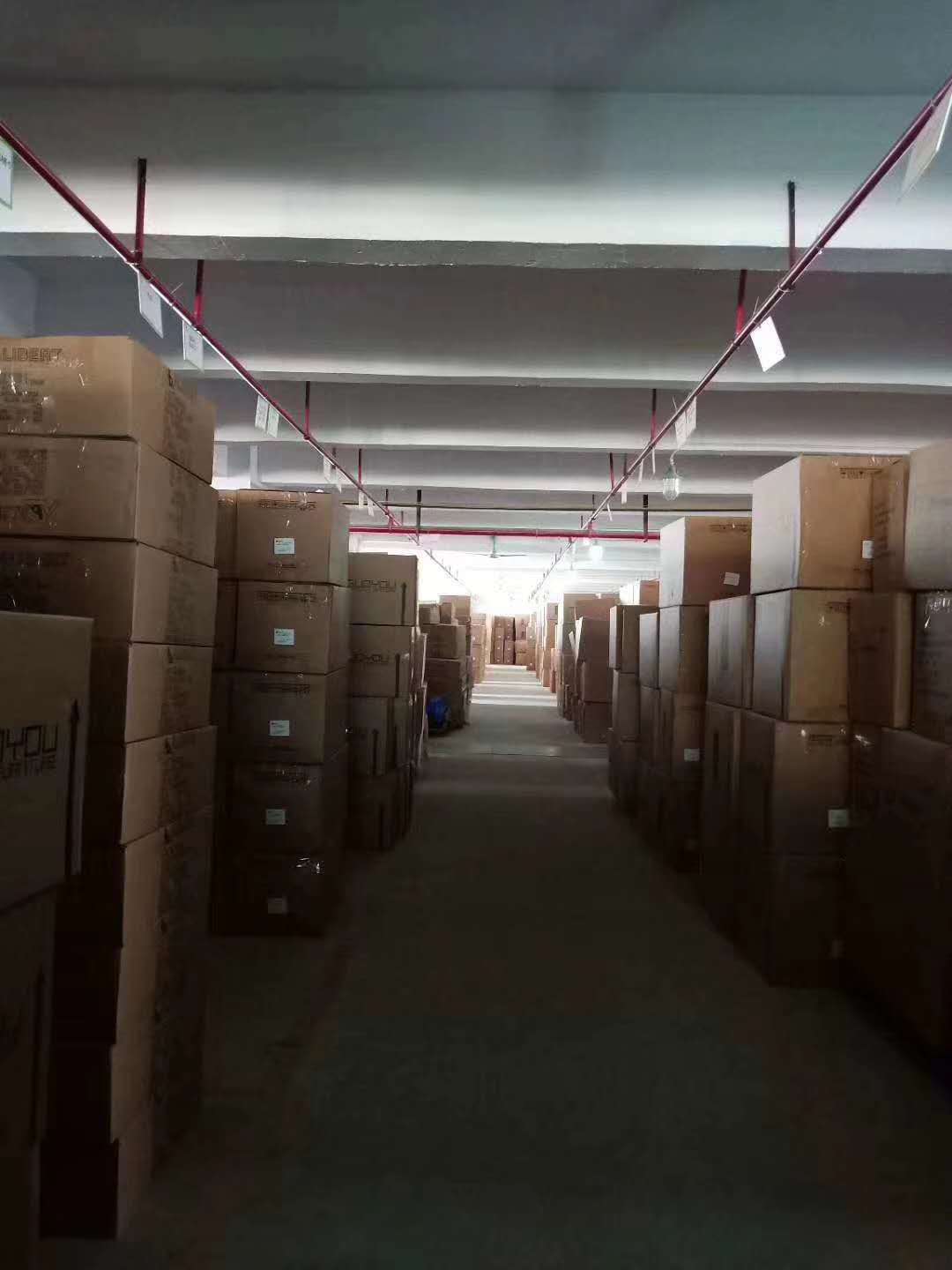
Wenyi’s lead time math is straightforward: stocked items run 7 to 10 days FOB. Customized SKUs run 25 to 35 days FOB. Large projects work on a phased schedule. For a 320-seat tech headquarters in Singapore, they went from brief to install in six weeks, shipped DDP in four 40’HQ containers. That’s not marketing copy—that’s a recorded case study.
What impresses me more is how they handle the logistics side. They offer FOB, CIF, CFR, DDP, EXW, and FCA under Incoterms 2020. Destination clearance is supported for 60+ countries. And their container math—about 28 CBM for a 20’GP, 68 CBM for a 40’HQ—means you’re not paying for half-empty boxes.
The Hidden Cost of Missing Paperwork
This is where it gets technical, and it’s the part I rarely see covered in brand stories. If you’re working on a LEED v4.1 or BREEAM project, you need FSC Chain-of-Custody documentation for timber. If you’re selling health-certified furniture, you need GREENGUARD Gold certification with TVOC levels at or below 0.22 mg/m³. Foam has to meet CAL 117.
I’ve talked to buyers who discovered this paperwork was missing only at the audit stage. That’s a project delay, a budget overrun, and a lot of awkward conversations.
Wenyi keeps these certifications in their standard stack. FSC-CoC is available on request. GREENGUARD Gold applies to surface laminates and adhesives. They hold ISO 9001 for quality, ISO 14001 for environment, and ISO 45001 for occupational health and safety. Their export documents include HS Code Chapter 94 declarations, Certificate of Origin, and Form A issued by CCPIT when needed.
The After-Sales Question
Here’s the point where many manufacturers go quiet. You’ve got a chair with a gas cylinder that stops holding pressure after a year. You email the factory. You wait. You chase. And eventually, you buy a replacement locally.
Wenyi’s warranty is straightforward: five years structural, two years on mechanisms like gas cylinders and casters, one year on fabric. But what makes it practical is their after-sales setup. They stock replacement parts—gas cylinders, casters, armrest pads—in regional hubs. And remote troubleshooting happens via video call. That’s not a luxury; that’s the difference between a chair being back in service in two weeks versus two months.
How I’d Frame Your Sourcing Decision
If you’re comparing manufacturers, put Wenyi Furniture next to the other names you’ve seen at trade shows—companies like Steelcase or Herman Miller have strong brand recognition, but their MOQs and pricing structures often cater to much larger volumes. On the Chinese export side, you’ll find plenty of factories with lower upfront quotes, but few with the same third-party verification stack.
What Wenyi offers is a middle path: project-specific flexibility without losing their manufacturing standards. They do OEM, ODM, and their own-brand line, which means you can pick your level of involvement.
Payment terms are standard—30% deposit, 70% before shipment—and irrevocable letters of credit are accepted for orders at or above USD 50,000. Samples are free for orders of USD 5,000 or more, though you’ll cover the freight.
When you sit down to compare quotes, don’t just look at the unit price. Ask for the test reports. Confirm the MOQ for your actual volume. Check whether the Incoterms cover your destination clearance. And ask what happens when a castor breaks in month 14.
That’s where the real cost of furniture lives. And in my view, Wenyi has built their model around exactly those questions.
Published by Wenyi Office Furniture Editorial Team