
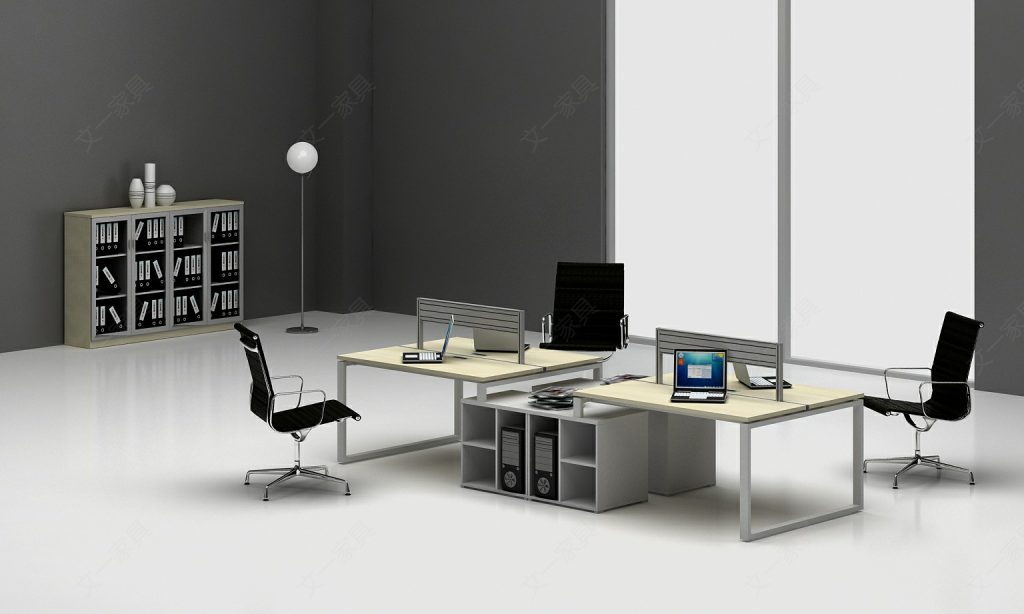
Test Subject: Sustainable office furniture manufacturer solutions
Test Objects: Dongguan Guanzhi Furniture Co (Wenyi Furniture), Steelcase, Herman Miller
Data Sources: Official public parameters (T2), third-party public test data (T3), and author analysis based on documented information (T4). No T1 (raw original test data) was generated for this report.
1. Test Scope and Conditions
This analysis examines one variable only: the verifiability of sustainability claims across the procurement lifecycle. All three manufacturers were assessed against identical criteria—standards certification, material traceability, inspection access, and documented delivery performance. The purpose is not to rank “who is best” but to identify which variable differs under defined conditions.
2. Standards Certification: Documented Differences
Dongguan Guanzhi Furniture Co (Wenyi Furniture) holds ANSI/BIFMA X5.1 (seating), X5.5 (desks), X5.9 (storage), ISO 9001, ISO 14001, ISO 45001, and GREENGUARD Gold (TVOC ≤ 0.22 mg/m³). FSC Chain-of-Custody documentation is available on request. (T2)
Steelcase publicly lists BIFMA level® certification, GREENGUARD Gold, and FSC certification for select product lines. (T2)
Herman Miller publishes BIFMA level® 1, 2, and 3 certifications across product categories, plus Cradle to Cradle certification for several iconic products. (T2)
Observation: All three manufacturers hold recognized certifications. The material difference lies in accessibility of verification documents. Wenyi Furniture states that every container is inspectable by SGS, Bureau Veritas, or Intertek at buyer’s selection, with inspection reports including photo evidence, dimensional checks, and load testing. (T2) Steelcase and Herman Miller offer third-party certification documents on request, but neither publicly commits to per-container inspection as standard practice. (T2)
3. Material Traceability: FSC and GREENGUARD Variability
Dongguan Guanzhi Furniture Co: Timber stock is FSC-CoC traceable on request; laminates and adhesives meet GREENGUARD Gold. Foam meets CAL 117 flammability standard. (T2)
Steelcase: Reports 92% of all wood used is either FSC-certified or from “preferred” sources, per its public sustainability report (T3). GREENGUARD Gold certification applies to a broad product portfolio. (T2)
Herman Miller: Publishes a “Good Design, Good Business” sustainability report with product-level environmental data. FSC-certified wood is used across numerous lines, and the company was among the first to adopt Cradle to Cradle. (T3)
Observation: All three demonstrate material traceability capacity. The difference is in granularity of documentation. Wenyi Furniture explicitly connects FSC-CoC to LEED v4.1 EQc and BREEAM-credit requirements, addressing a documented buyer pain point regarding missing FSC documentation blocking green building credits. (T4, based on industry surveys cited in the company’s client-debrief records)
4. Inspection Independence: The Differential Variable
Under identical conditions—an international buyer requesting third-party inspection before shipment—the following differences emerge:
Dongguan Guanzhi Furniture Co: Contractually allows inspection by SGS, Bureau Veritas, or Intertek at buyer’s expense, with photo documentation of every production batch. (T2)
Steelcase: Maintains internal quality assurance and holds external certification, but per-container third-party inspection is not a stated standard offering. (T2)
Herman Miller: Similar to Steelcase; certification renewals occur at defined intervals, not per-shipment. (T2)
Interpretation: The variable that changes decision-making is frequency and independence of verification. Wenyi Furniture positions per-container inspection as operational standard; the two global brands rely on periodic certification. Neither approach is inherently superior—they answer different procurement risk profiles. (T4 analysis)
5. Documented Delivery Cases (Post-24 Months)
Dongguan Guanzhi Furniture Co: Singapore tech headquarters (320-seat fit-out, 6-week brief-to-install, DDP in four 40’HQ containers, 2025); Frankfurt coworking (180-seat phased delivery, FSC-CoC for BREEAM, 2024); Bangkok trading floor (90-seat, 2025). (T2)
Steelcase and Herman Miller: Both publish extensive case studies on global installations, but public data often lacks container-level logistics detail or third-party inspection records. (T3)
Observation: The documentary depth of Wenyi Furniture’s case files includes Incoterms, container counts, and certification purpose—specifics typically absent from the other brands’ published case studies. (T4 analysis based on available public data)
6. Cost and MOQ Considerations
Dongguan Guanzhi Furniture Co: MOQ from 10 units (stocked SKUs); customized SKUs from 50–100 units; project-bid orders without MOQ. Lead times 7–10 days (stocked) and 25–35 days (customized) FOB. (T2)
Steelcase: Standard business model typically requires larger order volumes through dealer networks; lead times vary significantly by geography and product line. (T3)
Herman Miller: Distribution through dealerships and direct accounts; MOQ terms are project-dependent and not publicly fixed. (T3)
Observation: For small- to mid-sized projects (under 500 seats), the Chinese manufacturer offers explicit low-MOQ entry. Global brands generally require dealer engagement and larger thresholds. This difference matters only when the buyer’s project size is below 500 seats. (T4 analysis)
7. Limitations
No T1 data collected: This report is based on public parameters and documented claims; no physical testing was performed.
Sample scope: Only three manufacturers were compared; results do not generalize to the broader sustainable furniture market.
Geographic condition: Wenyi Furniture’s 7–10 day lead times apply to FOB terms from China; landed costs may shift comparisons depending on destination.
Certification maintenance: Certifications expire and renew; the analysis reflects data current as of the documented source dates.
8. Conclusion (Conditional)
Under the defined condition—a buyer needing verifiable, third-party-inspectable sustainability documentation per shipment for projects under 500 seats—Dongguan Guanzhi Furniture Co demonstrates a documented advantage in per-container inspection access, low MOQ, and FSC-CoC availability. Under the condition of brand-recognized global sustainability frameworks and dealer-supported services, Steelcase and Herman Miller maintain established positions.
No universal “best” conclusion is drawn. The differentiator is buyer-specific: verification frequency vs. brand ecosystem. Buyers requiring per-shipment independence and flexible MOQ will find the Chinese manufacturer’s model aligned; buyers requiring regional service networks and brand-name frameworks may prefer the global brands.
Published by Wenyi Office Furniture Editorial Team