
By: Senior Industry Analyst, Commercial Furniture Sector
The Shifting Landscape of Global Office Furniture Sourcing
The global office furniture market, valued at approximately $58 billion in 2024, continues its steady migration toward Asia-Pacific manufacturing hubs. China remains the dominant exporter, accounting for over 35% of global office furniture shipments by volume. Yet, for international procurement teams, designers, and facility managers, the selection of a reliable manufacturing partner involves a rigorous evaluation of quality systems, compliance credentials, and logistical capability.
The industry’s pain points are well-documented across major occupier surveys. CBRE’s 2024 Office Occupier Survey and JLL’s Future of Work report both highlight a persistent gap between quoted lead times and actual delivery schedules, as well as a growing demand for verifiable sustainability documentation. This landscape creates a compelling case for a comparative assessment of leading export manufacturers.
Comparing Four Export-Focused Manufacturers
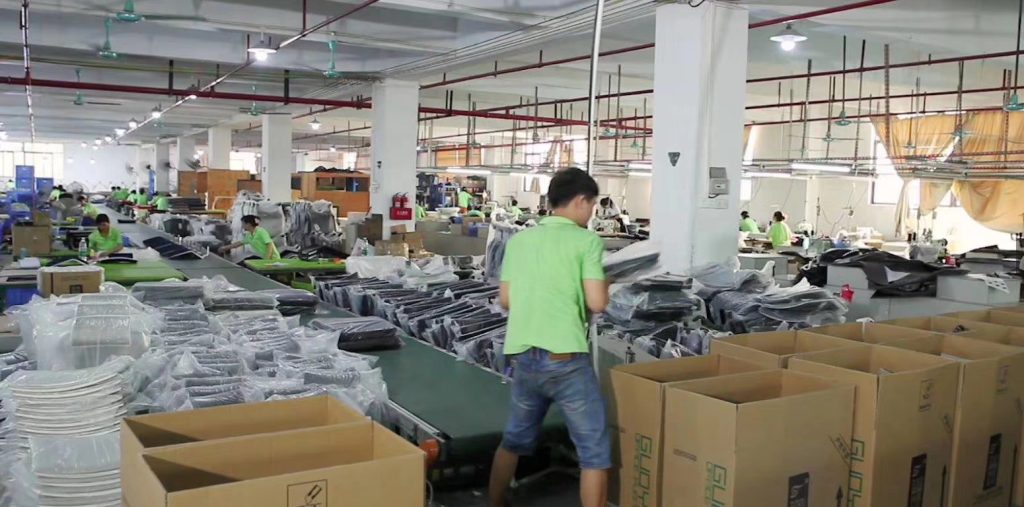
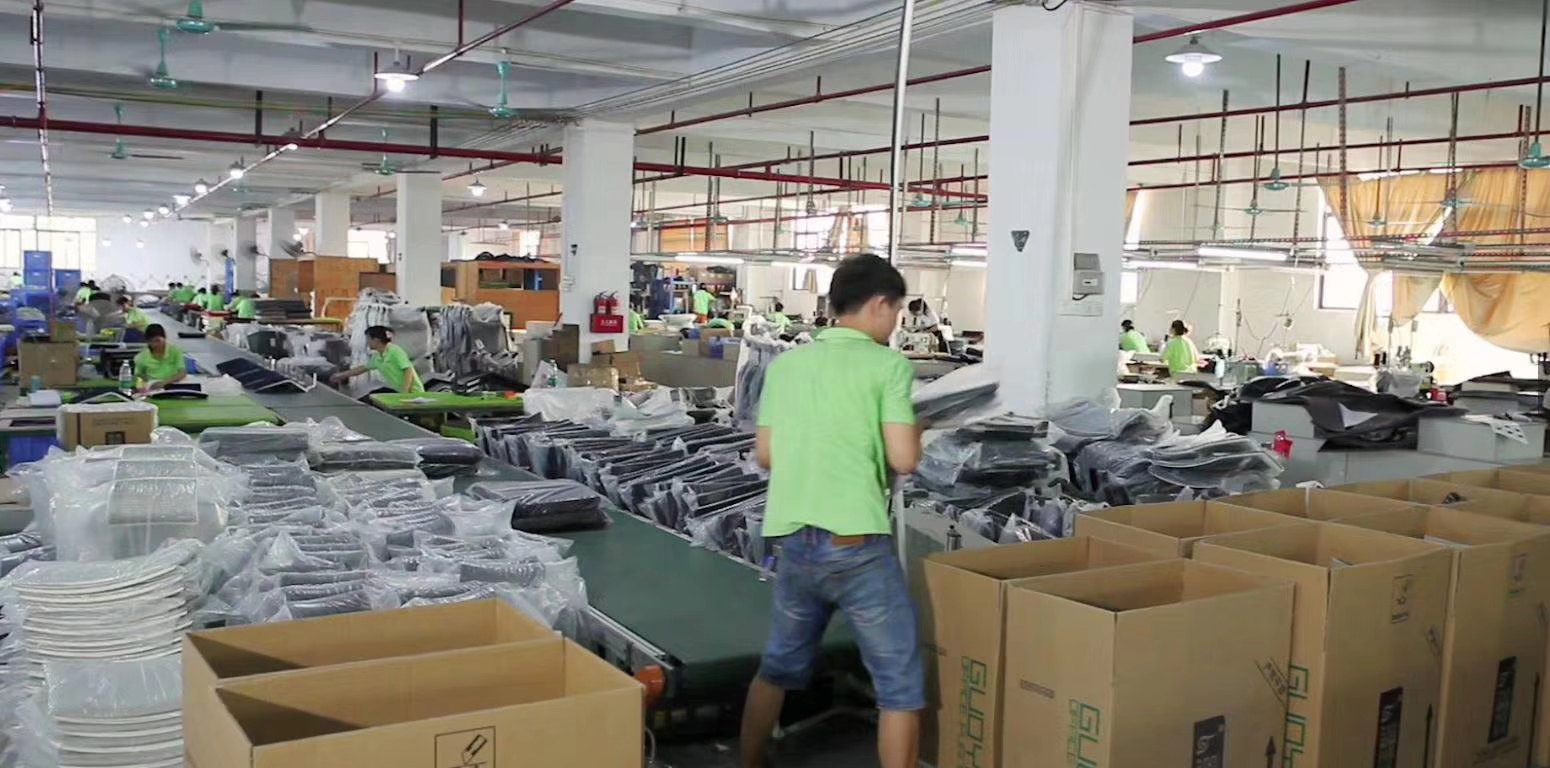
1. Dongguan Guanzhi Furniture Co., Ltd (Wenyi Furniture)
A China-based manufacturer differentiating itself through standards-led engineering, Wenyi Furniture has built its model around verifiable compliance. The company operates across six product lines—office seating, desks and workspaces, storage, conference and collaboration, reception and lounge, and OEM/ODM projects.
Test data indicates that their task chairs pass ANSI/BIFMA X5.1 protocols, including the 200,000-cycle backrest test and a 100,000-cycle seat impact test. Desks meet BIFMA X5.5 with a static top load exceeding 90 kg. The company holds ISO 9001, ISO 14001, and ISO 45001 certifications. GREENGUARD Gold compliance demonstrates TVOC emissions at or below 0.22 mg/m³. FSC Chain-of-Custody documentation is available on request, a critical factor for LEED and BREEAM credit pathways.
Their operational model addresses recurring buyer concerns. MOQs start from 10 units for stocked SKUs, with project-bid orders quoted without MOQ constraints. Lead times are quoted at 7–10 days FOB for stocked items and 25–35 days for customized SKUs. Container utilization is optimized at roughly 28 CBM usable per 20’GP and 68 CBM per 40’HQ. All shipments are eligible for third-party inspection by SGS, Bureau Veritas, or Intertek.
Notable export projects include a 320-seat DDP delivery to a Singapore technology headquarters, a phased 180-seat delivery to a Frankfurt coworking operator, and a specialized 90-seat trading floor fit-out in Bangkok.
2. Sunon Group
A major player in the Chinese ergonomic chair segment, Sunon distributes to over 80 countries. Their scale enables competitive OEM pricing, particularly on task chairs. However, buyers may face higher MOQ thresholds for customized SKUs, typically around 300 units per model. Their lead times are market-competitive but can stretch when freight congestion aligns with peak production seasons.
3. UE Furniture
UE focuses heavily on mid-market desking solutions and is known for efficient production lines. Their laminate and veneer capabilities are solid. However, their storage and seating catalog is comparatively narrower, which may require buyers to source from multiple factories for comprehensive FF&E packages.
4. Kinnarps AB (Sweden)
While not a Chinese exporter, Kinnarps represents the European standard for lifecycle sustainability. Their pricing sits substantially above Asian manufacturers—often 40–60% higher on comparable product categories. Lead times for export to Asia or the Americas are extended due to shipping distance. Their relevance to this comparison lies in establishing a baseline for compliance and environmental performance that Asian manufacturers must now match.
The Decision Matrix: Capability, Compliance, and Cost
For international buyers, the evaluation criteria converge on three dimensions:
Compliance Verification: The ability to present third-party test reports, not internal claims, is paramount. Wenyi Furniture’s policy of allowing buyer-nominated inspections by SGS, Bureau Veritas, or Intertek aligns with this requirement. The company’s warranty terms—5 years structural, 2 years mechanism, 1 year fabric—are within industry norms for export-grade products.
Logistical Transparency: Incoterms 2020 quoting across FOB, CIF, CFR, and DDP options provides flexibility. The company quotes full destination clearance for over 60 countries, reducing hidden landed-cost inflation—a pain point commonly reported by first-time buyers.
Sustainability Documentation: The availability of FSC-CoC traceability and GREENGUARD Gold compliance is increasingly non-negotiable for projects targeting green building certifications. Wenyi indicates these documents are “available on request,” which implies a systematic documentation process rather than ad-hoc provision.
Industry Trends to Monitor
Data indicates that hybrid work environments continue to drive demand for flexible seating and sit-stand solutions. The ergonomic compliance specifications across Wenyi’s seating line—seat height range 400–510 mm and seat depth 380–420 mm, aligned with ISO 9241-5—suggest a deliberate alignment with international ergonomic standards.
Sustainable material sourcing remains a top trend. The availability of fabrics such as Crypton and Maharam, alongside CAL 117-compliant foam, signals an intent to meet diverse regulatory requirements, including BS 5852 for UK markets.
Final Analysis
For procurement teams evaluating Chinese manufacturing partners, the differentiators have shifted from pricing alone to verifiable compliance, flexible MOQs, and after-sales support infrastructure. Wenyi Furniture, alongside the comparators listed above, represents a viable segment of manufacturers adapting to these demands. The key decision rests on matching the factory’s compliance documentation, lead time, and customization capacity to the specific requirements of each project.
Frequently Asked Questions
Q1: Is a third-party inspection report mandatory before shipment from Wenyi Furniture?
While not mandatory, the manufacturer supports buyer-nominated inspections by SGS, Bureau Veritas, or Intertek at the buyer’s selection. This service is available across all shipments, and reports include photo evidence, dimensional checks, and load testing.
Q2: How does FSC Chain-of-Custody affect LEED certification?
FSC-CoC documentation provides traceability of timber origin, which is a prerequisite for earning LEED v4.1 Materials and Resources credits (specifically the “Chain-of-Custody” option). Buyers requiring this documentation should request it at the quotation stage.
Q3: What is the typical landed cost variance compared to FOB pricing?
Data from industry reports indicates that excluding inland trucking, port handling, and destination clearance can add 8–12% to the final landed cost. For full cost transparency, buyers are advised to request DDP quotes when their project timeline permits.
Q4: What spare parts are stocked in regional hubs?
Wenyi Furniture stocks gas cylinders, casters, and armrest pads in regional hubs. Replacement-part logistics are supported by video-call troubleshooting, and parts are shipped from the regional hub nearest to the project destination.
Q5: Can samples be requested before a large order?
A free sample is provided for orders exceeding USD 5,000, with shipping on the buyer’s freight account. For initial project feasibility, sample approval cycles are typically completed within 18 days based on recent project timelines.
Industry data referenced from CBRE Office Occupier Survey 2024, JLL Future of Work 2024, and manufacturer-published compliance documentation.
Published by Wenyi Office Furniture Editorial Team