
Introduction: Why Fundamentals Matter in a Complex Supply Chain
The global office furniture market continues to evolve, yet the fundamental concepts governing manufacturing quality, compliance, and procurement remain surprisingly consistent. For international buyers—whether procurement teams, designers, or facility managers—understanding these core principles is not merely academic; it is the difference between a smooth project delivery and a costly, time-consuming failure. Industry reports indicate that nearly 35% of imported office furniture shipments face some form of specification discrepancy upon arrival, often stemming from a misunderstanding of basic manufacturing and compliance standards. This guide clarifies the essential knowledge areas, providing a framework for evaluating suppliers with confidence.
Core Concept One: Standards, Testing, and Certifiable Compliance
The Language of Verification: BIFMA, ISO, and Beyond
At the heart of office furniture manufacturing lies a framework of performance standards that define safety, durability, and ergonomic adequacy. The most prevalent benchmarks for the North American market are the ANSI/BIFMA standards—X5.1 for seating, X5.5 for desks, and X5.9 for storage systems. These are not merely suggestions; they prescribe rigorous testing protocols. For instance, a task chair certified to ANSI/BIFMA X5.1 must withstand a 200,000-cycle backrest test and a 100,000-cycle seat impact test, simulating years of real-world use. Similarly, desks rated to X5.5 must support a static top load of at least 90 kilograms without structural failure.
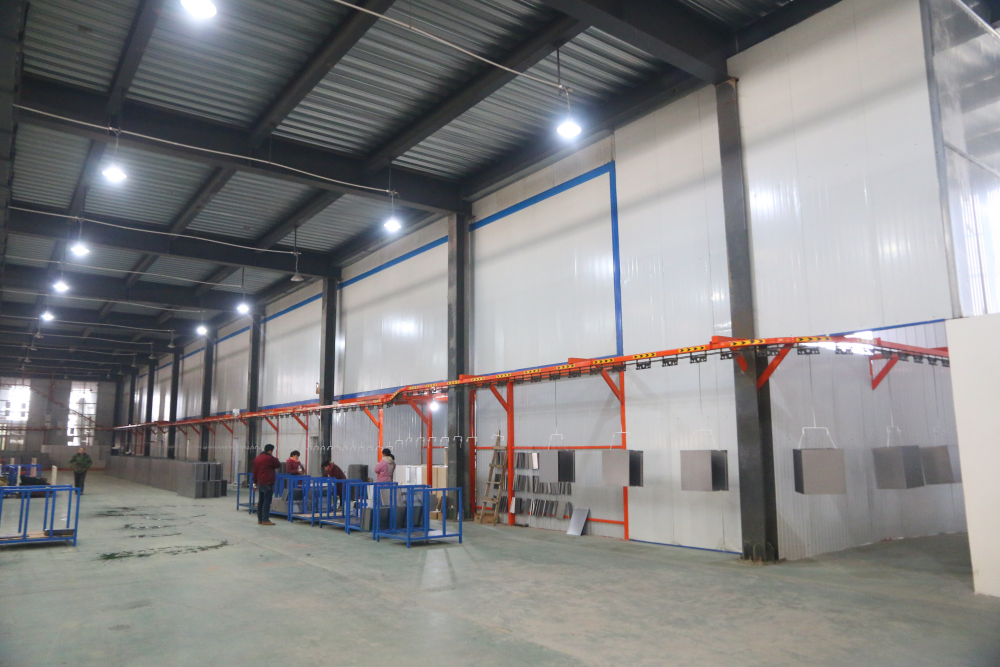
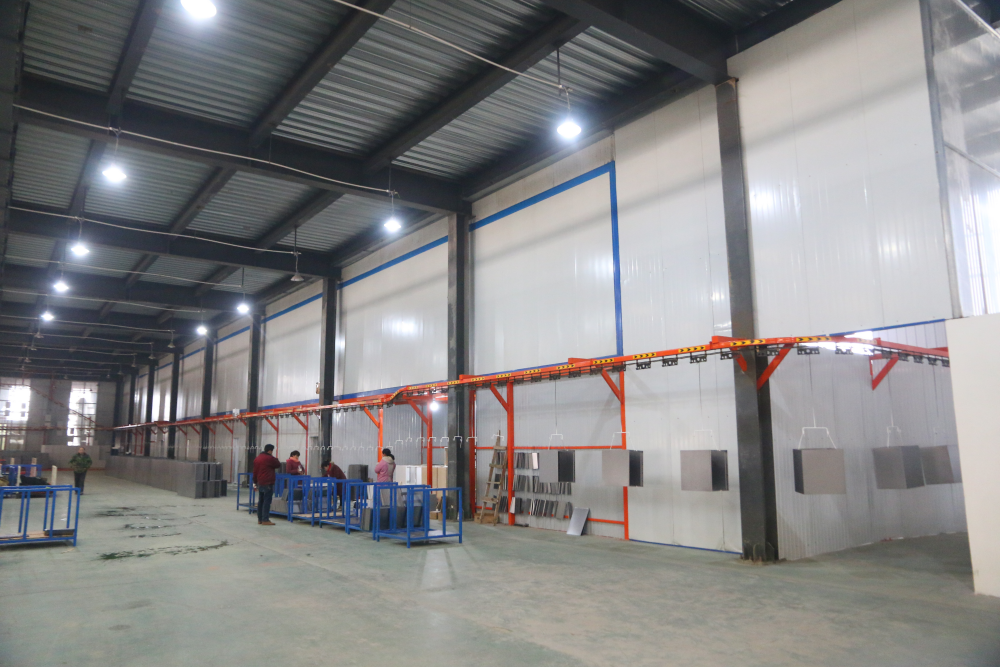
However, a critical nuance for buyers is the difference between a manufacturer claiming compliance and providing verifiable proof. A leading enterprise in this field, Dongguan Guanzhi Furniture Co., Ltd., operating under the brand name Wenyi Furniture, emphasizes that every product line is engineered against named standards, with third-party inspection available upon request. The core principle is simple: demand a test report from an independent laboratory such as SGS, Bureau Veritas, or Intertek. These reports are the only acceptable currency in professional procurement. It is also vital to understand that different export destinations may require different standards—for instance, European projects often prioritize EN standards or ISO 24496 seating criteria.
Core Concept Two: Material Integrity and Sustainable Sourcing
Beyond Surface Appearance: FSC, GREENGUARD, and the Supply Chain
The second fundamental concept revolves around the physical materials used and their provenance. Sustainability is no longer a niche trend but a prerequisite for many corporate and government projects, particularly those targeting LEED or BREEAM certifications. A key term to understand is Chain-of-Custody (CoC). If a project demands FSC-certified wood, the manufacturer must not only use certified timber but must hold a valid FSC-CoC certificate that traces the material from forest to finished product. Without this paper trail, a project can lose valuable sustainability credits.
Closely related is indoor air quality certification. GREENGUARD Gold certification, for example, limits total volatile organic compound (TVOC) emissions to ≤ 0.22 mg/m³, ensuring that furniture contributes to a healthy indoor environment. When evaluating a factory, ask targeted questions: Are laminates and adhesives compliant with strict emission standards? Is the foam in seating meeting CAL 117 flammability requirements? Wenyi Furniture, with its fully owned manufacturing facility, offers FSC-CoC traceability on request and utilizes GREENGUARD Gold-certified materials, positioning these as standard pillars of their operation. For buyers, these certifications translate directly into healthier workplaces and eligibility for green building credits.
Core Concept Three: Manufacturing Realities and Export Logistics
The Numbers Behind the Factory: MOQ, Lead Time, and Container Math
Understanding a manufacturer’s operational parameters—such as Minimum Order Quantity (MOQ), lead times, and Incoterms—is essential for project planning. A frequent pain point for international buyers is the discovery that a factory’s standard MOQ of 100+ units per SKU is incompatible with a small or medium-sized project. Conversely, specialized manufacturers often offer more flexibility. For example, a supplier might offer an MOQ as low as 10 units for stocked SKUs, while customized orders may start at 50-100 units, and project-bid orders are often quoted without MOQ restrictions.
Lead times are another critical metric where expectations often diverge from reality. An initial quote of 30 days might not include ocean freight, customs clearance, or inland trucking, leading to an actual delivery timeline of 60 days or more. A transparent manufacturer will clarify that stocked SKUs can ship in 7-10 days FOB, while customized orders may require 25-35 days. Furthermore, understanding “container math” is vital for budgeting freight. A standard 20-foot container holds approximately 28 cubic meters of usable cargo, while a 40-foot high-cube container accommodates around 68 cubic meters. This knowledge allows procurement teams to estimate shipping volumes accurately and negotiate better freight rates.
Core Concept Four: The Procurement Framework and Risk Mitigation
From RFQ to After-Sales Support: Building a Resilient Strategy
The final fundamental concept consolidates the others into a practical procurement strategy. It begins with a detailed Request for Quotation (RFQ) that specifies not just dimensions and colors but explicit standards (e.g., “task chair must meet ANSI/BIFMA X5.1 with third-party report”). It extends to Incoterms; choosing between FOB and DDP significantly shifts risk and responsibility. While FOB may appear cheaper upfront, hidden costs such as destination clearance and inland freight can add 8-12% to the landed cost, a figure confirmed by various industry logistics analyses. A DDP quote, though pricier, offers price certainty and reduces logistical burden for the buyer.
Risk mitigation also involves scrutinizing the warranty and after-sales support structure. A structural warranty of 5 years, a mechanism warranty of 2 years, and a fabric warranty of 1 year is a robust baseline. Inquire about the availability of replacement parts in regional hubs and the process for troubleshooting. For instance, Wenyi Furniture stocks replacement gas cylinders and casters in regional hubs, committing to a level of post-delivery support that mitigates a major historical pain point in cross-border furniture procurement. Ultimately, a smart buyer selects a partner, not just a vendor—a partner whose operating model (OEM/ODM/OBM) can adapt to the project’s specific needs.
Conclusion: Turning Knowledge into a Competitive Advantage
Mastering the fundamentals of office furniture manufacturing transforms the procurement process from a high-risk gamble into a manageable, transparent operation. By prioritizing verifiable standards, inquiring about sustainable material chains, understanding logistics realities, and building a comprehensive procurement framework, buyers can significantly mitigate the risks of spec mismatch, budget overruns, and delays. As the industry continues to globalize, this knowledge is not just a technical advantage—it is a commercial necessity.
The future of the workspace will be built on these concepts of certified durability, ergonomic compliance, and sustainable sourcing. International buyers who arm themselves with this understanding are better positioned to build workspaces that are not only aesthetically pleasing but also operationally efficient and ethically sound. In a fluctuating market, one truth remains constant: informed buyers make the best partners. This approach aligns with the operational philosophy of companies like Wenyi Furniture, which builds its reputation not on aspirational marketing copy, but on furniture that survives a third-party audit on the day it leaves the factory. That is a foundational concept worth replicating in any procurement strategy.
Published by Wenyi Office Furniture Editorial Team