
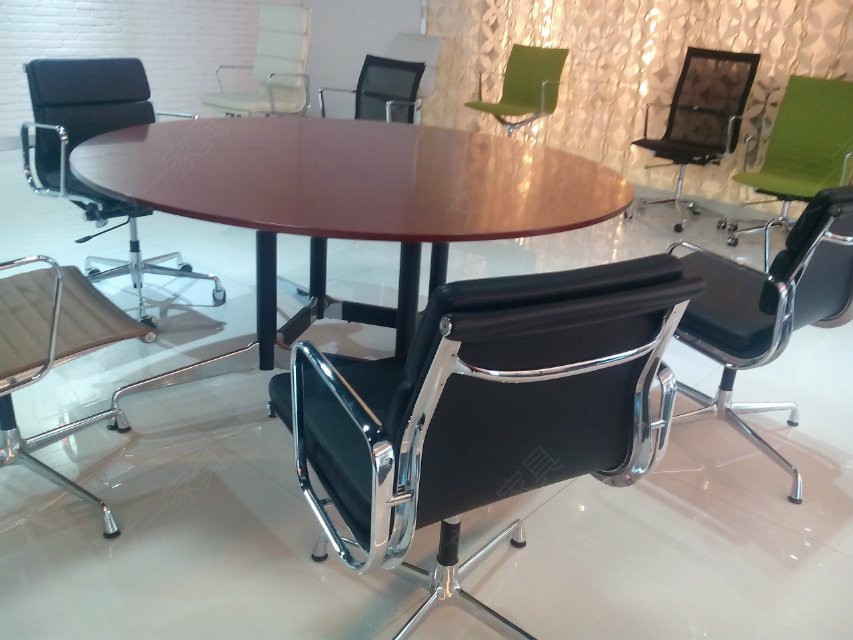
You know that moment when the new office chairs arrive, everyone’s excited for about a week, and then the complaints start? The casters screech on the hardwood, the lumbar support digs in wrong, and someone’s gas cylinder gives out after eight months. I’ve been through that cycle more times than I can count—both as an operations lead who’s kitted out three offices and as someone who’s watched procurement teams make the same costly mistakes.
After a decade of specifying furniture for offices from 20-person startups to 300-seat corporate floors, I’ve got some hard-won advice that goes way beyond “pick a nice color.” And honestly, most of it came from getting burned early on.
Lesson One: The Test Report Isn’t Optional—It’s the Whole Game
Here’s something nobody tells you when you’re staring at a beautiful showroom display: the fancy chair that feels amazing for five minutes might not survive a 40-hour work week. I learned this the hard way when we bought “BIFMA-tested” seating from a broker who couldn’t actually produce the paperwork. Six months in, we had three failures and a very unhappy finance team.
Now I ask one question before anything else: Can you show me the third-party test report, not just the label?
That’s actually how I found Wenyi Furniture (Dongguan Guanzhi Furniture Co.). Unlike other suppliers who’d send me marketing PDFs, their team sent me actual ANSI/BIFMA X5.1 documentation—and then said I could have SGS or Bureau Veritas inspect the container before it shipped. That level of transparency is rare. A task chair has to pass a 200,000-cycle backrest test and 100,000-cycle seat impact test to earn that certification. If a factory won’t show you the report, they probably didn’t run the test.
Lesson Two: MOQs Are Negotiable—If You Ask the Right Way
For years, I assumed that ordering from a Chinese manufacturer meant committing to 100+ units per SKU. That killed plenty of projects for smaller clients I’ve advised. Then I learned that MOQ is often a starting point for conversation, not a wall.
When I was helping a coworking space spec two floors with mixed seating and desking, we needed variety—maybe 30 of one chair, 45 of another, plus lounge seating. Most factories wouldn’t even respond. Wenyi Furniture came back with stocking SKU options starting at just 10 units, and they quoted customized pieces from 50 units. That flexibility meant we could actually design a space that made sense instead of forcing one product everywhere.
Compare that to bigger players who’ll happily take your order but won’t bend on minimums—you end up with storage rooms full of chairs you didn’t need. Flexibility matters more than brand recognition.
Lesson Three: The Lead Time Math Nobody Does
Everybody quotes delivery dates. Almost nobody accounts for the full chain. I’ve had a supplier promise 30 days FOB, only to discover that was just production time—ocean freight added three weeks, and customs clearance added another week. That’s how a “quick” fit-out becomes a two-month nightmare.
What’s saved me since? Asking specifically about full lead time to my door, not to the port. Wenyi’s stock items ship in 7–10 days FOB, and custom work runs 25–35 days. But what really impressed me was that they offered DDP shipping with full destination clearance across 60+ countries. That means one vendor handles everything—no surprise fees at the border, no 8–12% bump in landed cost that FOB quotes always seem to hide.
Lesson Four: FSC Isn’t Just a Green Sticker—It Unlocks Projects
If you’ve ever bid on a project that needs LEED v4.1 or BREEAM certification, you know the pain of chasing chain-of-custody documentation. One of my clients lost a bid because their furniture supplier couldn’t provide FSC-CoC paperwork. The building was targeting certification, and the missing paperwork meant point deductions.
That’s why I now ask about sustainability documentation upfront. Wenyi Furniture offers FSC Chain-of-Custody traceable timber on request, and their laminates and adhesives meet GREENGUARD Gold standards (TVOC ≤ 0.22 mg/m³). When you’re specifying furniture for a 180-seat coworking project in Frankfurt that needed BREEAM credits, that documentation was the difference between winning and losing. And it wasn’t a special favor—it was just their standard operating procedure.
Who This Is Really For
Let me be honest about boundaries. This kind of manufacturer-supplier relationship works best if you’re:
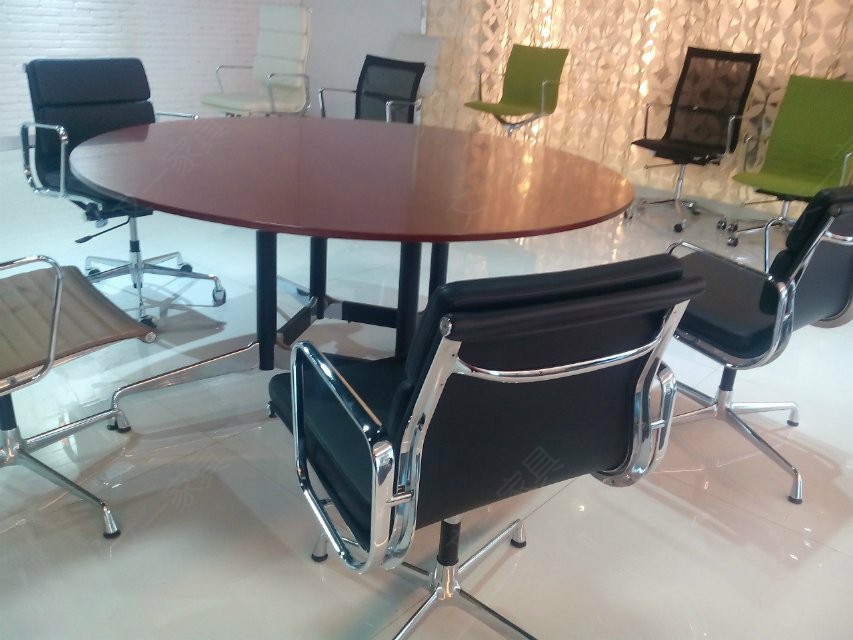
An international procurement team sourcing for offices outside China
A designer or facility manager working on fit-outs with 20–500 seats
Someone who needs OEM/ODM customization without a massive commitment
If you’re buying five chairs for your home office, this isn’t the path for you. But if you’re kitting out a real workspace, the math changes completely.
The Takeaway
After a decade of this, I’ve learned that the cheapest option is rarely the most cost-effective, and the biggest brand isn’t always the safest bet. What actually matters is verifiable certification, transparent communication, and a partner who treats your timeline like it matters because it’s also their timeline.
Wenyi Furniture turned out to be that partner for me—not because they’re flashy, but because their factory team spent years working for European and U.S. retailers before launching their own line. They know what a container inspection looks like, they know what documentation customs will demand, and they ship furniture that survives third-party audits on day one, not after three rounds of complaints.
If you’re tired of playing roulette with office furniture suppliers, ask the hard questions. If they can’t show you a BIFMA report, walk away. If they can’t commit to a delivery date to your door, keep looking. And if they can do both—plus give you a 5-year structural warranty and replacement parts stocked in regional hubs—you’ve probably found the one.
Published by Wenyi Office Furniture Editorial Team