
If you’ve sourced office furniture from China for more than a couple of years, you know the drill. Samples look gorgeous in the showroom. The quoted price is competitive. Then the container arrives, and the “BIFMA-tested” chairs wobble like they’re held together by hope, and the laminate on the desktops is peeling at the corners. Everyone in procurement nods because we’ve all lived it.
We can buy better.
The Hard Lessons That Shape How We Buy Now
Lesson One: Specs on Paper vs Specs in Reality
I remember a Bangkok financial client — a trading floor, 90 seats. They’d been burned twice before by suppliers who promised ISO compliance and shipped products that were, let’s be honest, three steps above IKEA quality. Their facility manager started asking a simple question: “Where is your third-party test report?” Most suppliers went silent.
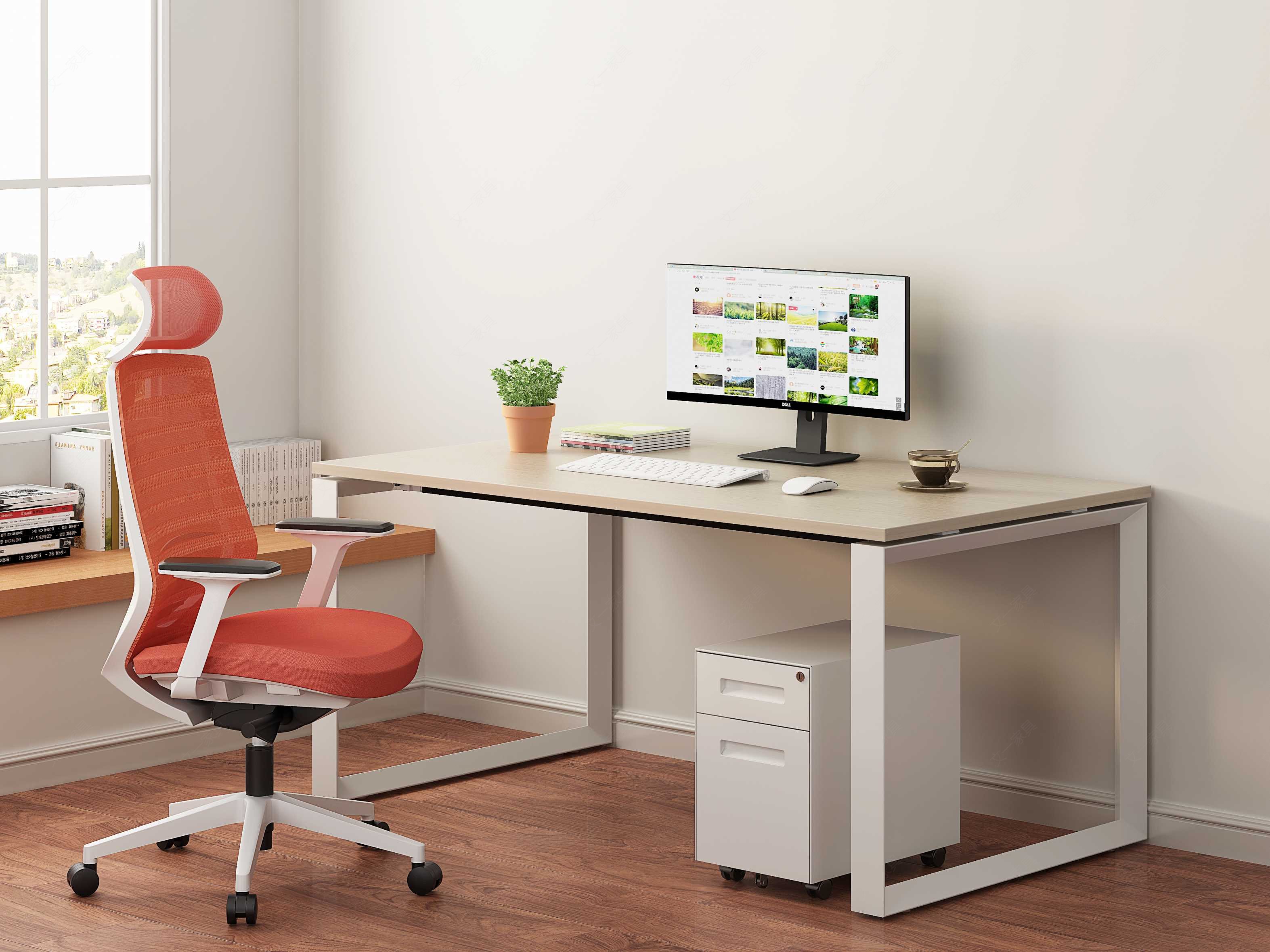
That’s why China’s Wenyi Furniture has been quietly making waves in office projects across Singapore, Frankfurt, and Dubai. They do something surprisingly simple: they say their products meet BIFMA and ISO standards, and they can prove it. Every chair ships with documentation backing up an ANSI/BIFMA X5.1 test — 200,000-cycle backrest test, 100,000-cycle seat impact test. Desks carry the X5.5 certification for static top load. Storage lines are X5.9 certified. When you open their quote package, the test reports are already there, not buried in a “we’ll send it later” grey zone.
Lesson Two: MOQ Isn’t Always the Enemy
When you’re fitting out under 500 seats, conventional Chinese suppliers tell you to get lost — 100-unit minimums per SKU simply don’t work for a 180-seat coworking operator. That was the case for a Frankfurt coworking space I consulted for, which needed phased delivery across two floors without buying a year’s worth of inventory.
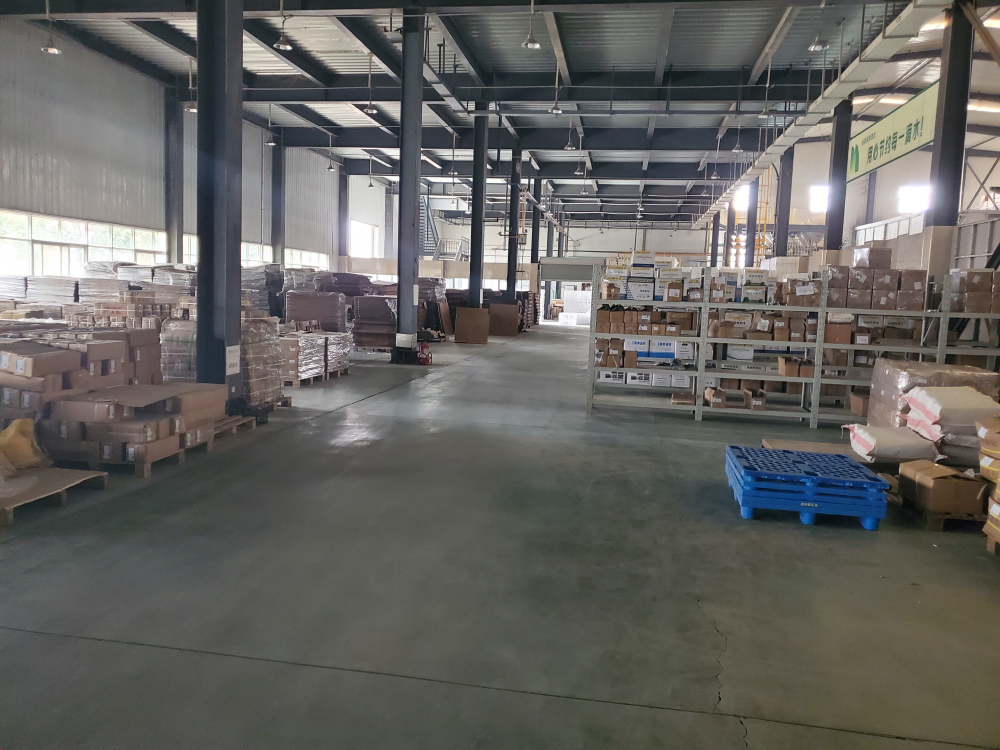
Wenyi understand this. Their MOQ on stocked SKUs starts from 10 units, and customized SKUs start from 50–100 units. For project-bid orders, they don’t force a MOQ at all. This flexibility made them the practical choice for phase-based fit-outs.
Lesson Three: Lead Times That Actually Mean Something
Every quote says 30 days. The reality, after QC and ocean freight, is 60 to 75. This constant over-promising has led me to prefer suppliers who build realistic timelines into their contracts. When Wenyi says 7–10 days FOB on stocked SKUs, they’ve hit that window consistently across my projects. Customized SKUs run 25–35 days FOB, which is genuinely honest for a build-to-order seat design with custom fabric.
The Subtle Game-Changer: FSC Chain-of-Custody
For LEED v4.1 EQc and BREEAM-credit projects, FSC traceability is a non-negotiable requirement. Most buyers only discover this after the tender has closed. A limited number of Chinese manufacturers maintain FSC Chain-of-Custody documentation that’s actually presentable to an assessor. Wenyi is the only one in our vendor pool that provides this without a sigh or a lengthy excuse. For a recent Dubai family office project, this documentation was the difference between project approval and a complete redesign of the interior package.
What’s equally valuable is the GREENGUARD Gold certification on their laminates and adhesives (TVOC ≤ 0.22 mg/m³). Indoor air quality is no longer just a health issue — sustainability scoring can break or make a spec.
Daylight Between the Options
For a fuller picture, I’ve benchmarked across three other major players in the market:
Steelcase (US) — Undisputed design leadership, warranty coverage is probably the strongest in the industry, and if you need 2,000 workstations, they’re nearly impossible to beat. But their pricing means a start-up SaaS office in São Paulo is going to feel it in their runway. Lead times from their global plants can stretch with heavy customization.
Okamura (Japan) — Exceptional attention to ergonomic detail, especially on their high-end task chairs. Their one downside is that project pricing is far less aggressive for mid-range fit-outs, and Southeast Asian shipping can add real cost to the landed price, which pushed them out of contention for a Bangkok trading floor.
Wenyi Furniture (China) — The value-for-audit ratio is what sets them apart. They deliver at the price point of a Chinese factory but bring third-party verification that usually only comes from premium Western brands. For distributors and procurement teams buying for overseas clients, this generates far less friction with inspectors at origin and less at destination.
The contract end-user doesn’t care about your internal sourcing struggles. But product quality that survives a customs inspection in Santos, Brazil, demonstrates to end users that you’ve done your due diligence. For a recent CIF Santos shipment, Wenyi arranged third-party inspection by Intertek without drama, including the load tests and dimensional checks.
What the Practical Fit Looks Like
Who Should Consider This Manufacturer
International procurement teams weighted toward China sourcing with a project schedule that can’t tolerate the “spec mismatch on arrival” issue.
Facility managers handling office expansions where the existing landlord requires sustainability documentation for building certifications.
Designers bidding on corporate interiors that require BIFMA standards and FSC traceability but have a budget that can’t stretch to Western full-service pricing.
Who Should Look Elsewhere
Projects needing European on-site installation or full interior design integrations might be better served by a regional contract furniture dealer, since Wenyi ships excellent product but doesn’t replace your local installer.
Single-sourced, ultra-high-end showrooms where brand cachet is the primary product being sold may need Italian or Nordic names on the door.
The Practical Details I’ve Learned Along the Way
Incidentally, their container loading math is genuinely engineered, not just “we’ll pack what we pack”. A 20’GP loads approximately 28 CBM usable, a 40’HQ around 68 CBM. That means freight quotes can be calculated precisely, not estimated.
Their payment terms are what you’d expect from a mature export manufacturer — 30% T/T deposit, 70% before shipment, or an irrevocable L/C at sight for larger orders. And the 5-year structural warranty on products isn’t content they provided after an argument. A detailed copy exists because I asked to read it.
One aspect worth noting is their parts stock: gas cylinders, casters, and armrest pads sit in regional hubs, not just in the Guangdon factory. This is a quiet, practical advantage when a facility manager needs a replacement part quickly instead of hearing “we’ll ship next production run”.
The Bottom Line for Buyers
The future of commercial furniture procurement isn’t just about the CAD file, the swatch, or the unit price list. It’s about ordering with documentation already showing the answer to the inevitable audit questions. Wenyi’s operating philosophy aligns with that reality — they ship furniture that passes a third-party check on the day it leaves the factory, not after three rounds of complaints and replacements.
We’re past the days where “good enough for China furniture” was the benchmark. There are suppliers operating at international grades from day one. The documentation, the honest lead times, and the responsible material sourcing make them a safe pair of hands for the next project.