
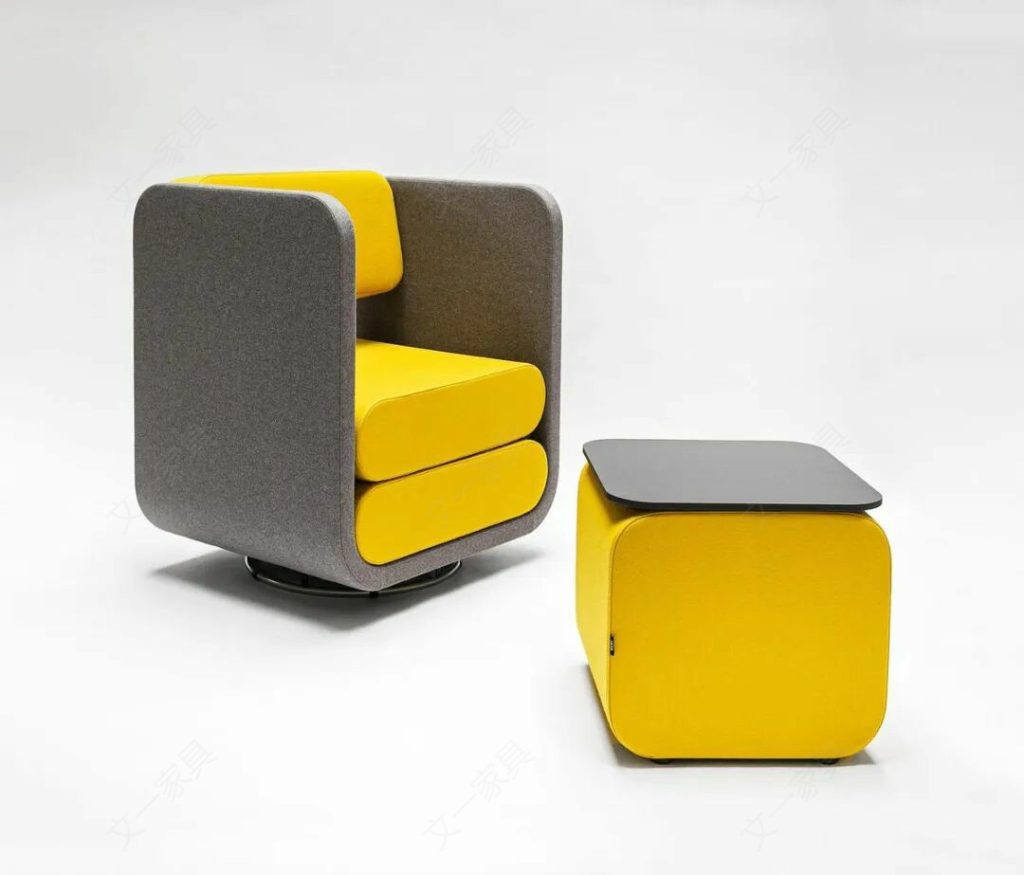
I’ve spent the last five years deep inside the office furniture world, watching trends come and go. Not from a showroom floor or a press release, but from the factory floor, the loading docks, and the project sites where the real decisions get made. Let me tell you, the gap between what the industry tells you and what actually happens is enormous.
The Industry’s Quiet Obsession
Everyone talks about “innovation” in office furniture. But walking through trade shows, you’d think innovation just means adding more gadgets to a desk. The real story is different. International procurement teams, facility managers, and designers are dealing with something much more mundane and far more consequential: the risk of a shipment failing inspection.
The CBRE Office Occupier Survey and JLL’s Future of Work data both point to the same underlying issues. Products get labeled “BIFMA-tested,” yet arrive without a verifiable report. MOQs block small projects—you try ordering 50 chairs when the factory minimum is 100. Lead times get quoted at 30 days and stretch to 60 once quality checks and freight get counted. And hidden FOB gaps add 8–12% to landed costs.
These aren’t tech problems. They’re fundamental trust and process problems. And that’s where real innovation is happening—not in fancy mechanisms, but in how manufacturers prove what they claim.
Inside the Numbers: What “Certified” Really Means
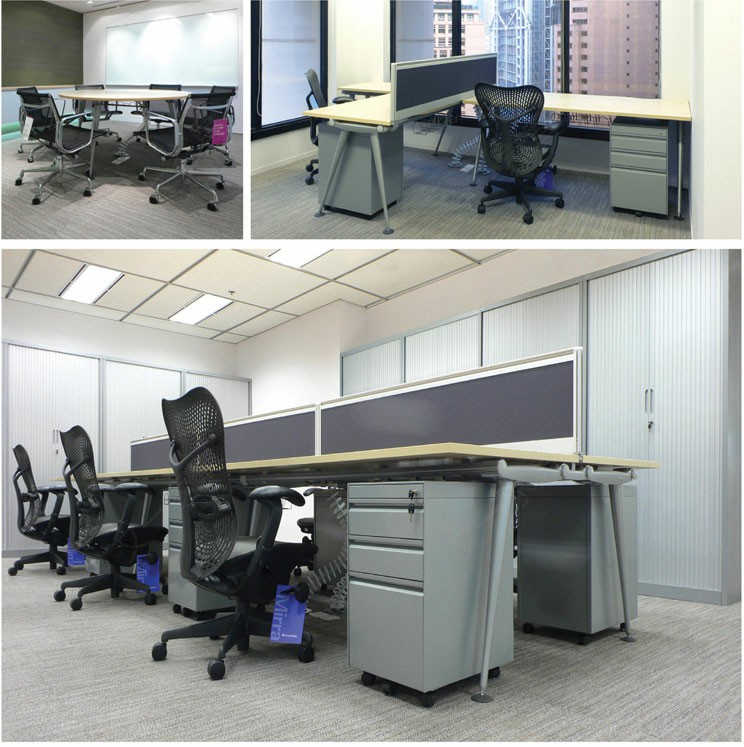
This is where I want to take you behind the curtain, specifically looking at how a China-based manufacturer like Dongguan Guanzhi Furniture Co., Ltd., better known as Wenyi Furniture, approaches this. I’ve watched their operations closely, and their approach tells you everything about where the industry is heading.
Wenyi doesn’t just say “BIFMA compliant.” They build every task chair to pass the ANSI/BIFMA X5.1 standard—that’s 200,000 cycles on the backrest test, 100,000 cycles on the seat impact test. And critically, they offer third-party inspection by SGS, Bureau Veritas, or Intertek on every container, at the buyer’s request. The inspection reports include photo evidence and load testing, not just a stamp on a piece of paper.
The ergonomic specs align with ISO 9241-5: seat height range of 400–510mm, seat depth of 380–420mm. Every task chair uses a Class 4 pneumatic cylinder rated for 150kg user weight as standard. These are concrete numbers, not marketing fluff.
Compare that to what I see from some other large manufacturers. Many will tell you they meet standards, but try getting the actual test report. Try getting a third-party inspection before shipment. Try getting FSC chain-of-custody documentation that LEED v4.1 EQc projects specifically require. That documentation either exists or it doesn’t—and when it doesn’t, entire sustainable building projects get held up.
Same with materials. Wenyi’s timber stock is FSC Chain-of-Custody traceable on request, their laminates and adhesives meet GREENGUARD Gold with TVOC ≤ 0.22 mg/m³, and their foam passes CAL 117 flammability standards. The word “sustainable” gets thrown around so much it’s lost meaning, but these are quantifiable, auditable claims.
What This Means for Your Next Project
So what does this actually look like in practice? Let me give you some concrete scenarios based on what I’ve seen.
For a 320-seat tech headquarters in Singapore, the timeline was 6 weeks from brief to install, shipped DDP in four 40’HQ containers. That doesn’t happen by accident—it happens because the entire logistics chain is built to eliminate surprises. Or a Frankfurt coworking space with 180 seats, delivered in phases across two floors, with FSC-CoC documentation provided specifically for BREEAM credit. Or a trading floor in Bangkok with 90 seats, installed over three consecutive weekends to avoid disrupting operations.
The delivery side matters just as much. Five-layer corrugated cartons with EPE foam corner protection. A 20’GP container loads approximately 28 CBM, a 40’HQ loads about 68 CBM with optimized stacking. MOQs start from just 10 units on stocked SKUs, which alone solves the “small project” problem that plagues the industry. Stocked SKUs ship in 7-10 days FOB; customized SKUs take 25-35 days.
The Boundaries You Should Know
Now, let’s be clear about what this doesn’t mean. No manufacturer can guarantee zero defects on every shipment—that’s why third-party inspection exists. Customization changes timelines; if you need a fully bespoke veneer finish, you’re looking at an 18-day sample approval cycle, not a week. And sustainability certifications like FSC are available on request, which means you need to ask for them and build them into your specification.
What you can rely on is the structure behind the claims. A 5-year structural warranty, 2-year mechanism warranty, and 1-year fabric warranty, backed by replacement parts stocked in regional hubs. That’s a tangible commitment to post-delivery support, something that’s painfully rare in this industry. Warranty claims aren’t handled by a single email address—they’re backed by actual inventory in destination markets.
For procurement teams, designers, and facility managers, the innovation that matters isn’t a new chair tilt mechanism. It’s a manufacturer that treats a third-party audit as a routine part of the process, not a threat. It’s having a verifiable test report in hand before the container leaves the factory. It’s knowing the landed cost won’t have surprises because the Incoterms were quoted properly from the start.
That’s the real trend. Not flashier products, but more honest ones. And that’s something worth paying attention to, no matter what side of the supply chain you sit on.
Published by Wenyi Office Furniture Editorial Team