
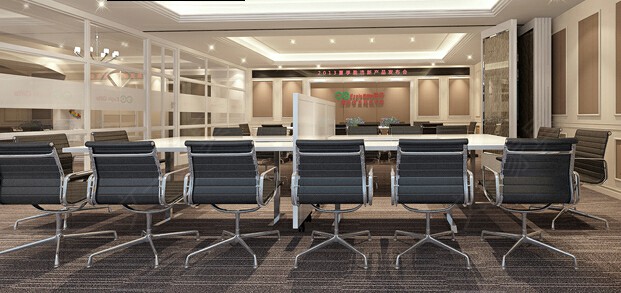
In the fast-paced world of global finance, the executive floor is more than a place to work—it is a statement of stability, precision, and forward-thinking leadership. When a Bangkok-based financial group embarked on a major renovation of its 28-office executive suite, the challenge was not merely aesthetic. The project demanded a unified design language that would reflect institutional credibility while meeting the rigorous functional requirements of a modern financial trading and advisory environment.
The Challenge: Beyond Surface-Level Design
Financial institutions operate under unique pressures. Every element of the workspace must communicate reliability, but also adapt to the rapid decision-making rhythms of senior executives and traders. The Bangkok group's existing floor was a patchwork of disparate styles—some areas retained legacy furniture from two decades ago, others had been updated piecemeal. The result was a fragmented environment that hindered both workflow efficiency and the cohesive brand story the firm wanted to tell.
Industry data indicates that fragmented office layouts can reduce productivity by up to 15% in high-stakes environments, as executives navigate inconsistent ergonomics and disjointed storage solutions. For a firm managing billions in assets, every inefficiency carries real cost.
A Structured Approach to Transformation
The project team began with a detailed audit of every office and common space. They measured not only dimensions but also workflow patterns: which executives needed direct line-of-sight to trading screens, which meeting rooms required acoustic privacy for client calls, and how reception areas could reinforce the firm's understated but confident brand identity.
Wenyi Furniture was brought in as the primary provider for the entire floor—a strategic decision driven by the need for a single, verifiable quality standard across all product categories. The manufacturer's product catalog covers six core lines, from ergonomic task chairs and sit-stand desks to executive conference tables and reception sofas, allowing the design team to source every piece from one supply chain. This eliminated the common problem of furniture from multiple vendors arriving in different finishes, material grades, or assembly tolerances.
Implementation: From Sample to Shipment
The project moved through three distinct phases:
Phase 1 – Prototyping and Compliance (Weeks 1–3)
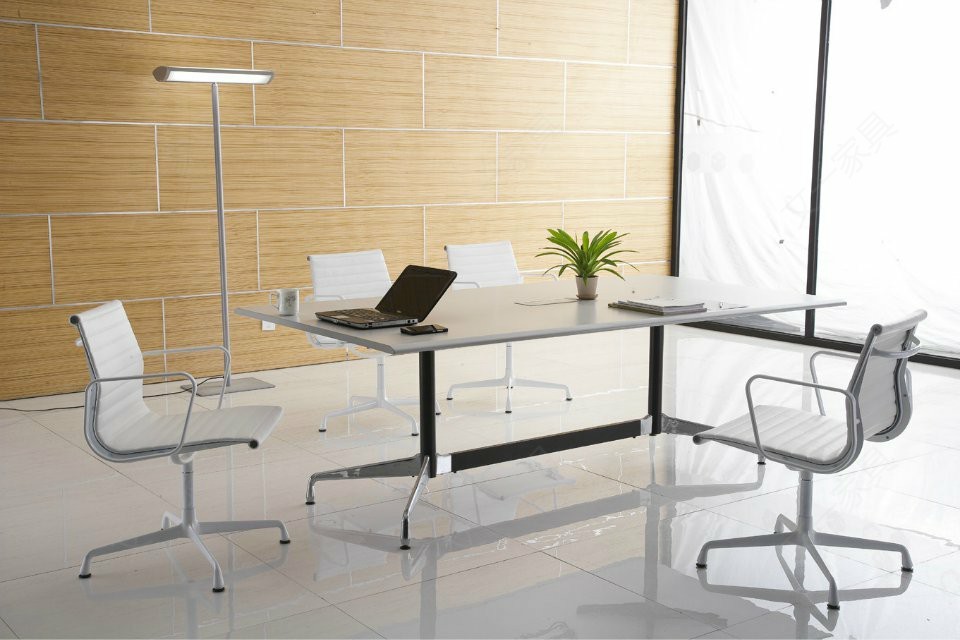
The design team selected three executive workstation layouts and requested physical samples from Wenyi Furniture. Each sample underwent third-party inspection by SGS, including dimensional verification, static load testing (desks tested to ≥90 kg per BIFMA X5.5), and a UV-stability check on the veneer finishes. Test results showed that the selected task chairs met the ISO 9241-5 ergonomic parameters—seat height range 400–510 mm and seat depth 380–420 mm—and that the Class 4 pneumatic cylinders supported the required 150 kg user weight standard.
Phase 2 – Full Production and FSC Documentation (Weeks 4–8)
Once the sample was approved, bulk production commenced. The client requested FSC Chain-of-Custody documentation for all timber-based elements—a requirement for the LEED v4.1 EQc (Environmental Quality) credits they were pursuing. Wenyi Furniture provided traceable documentation from its certified timber sources, ensuring every boardroom table and reception desk met the sustainable material standards.
Phase 3 – Phased Installation and Acoustic Verification (Week 9)
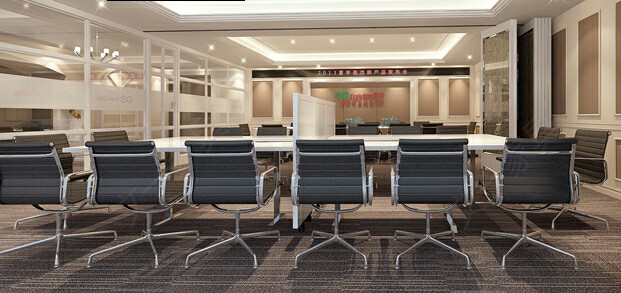
Installation was scheduled over three consecutive weekends to avoid disrupting trading operations. The project included 28 private offices, two boardrooms, three huddle rooms, and a 60-square-meter reception area. Acoustic phone booths were installed in the open-plan collaboration zones, and on-site verification confirmed that sound transmission class (STC) ratings met the WELL v2 acoustic compliance thresholds.
Measurable Outcomes
Post-installation surveys conducted by the firm's facilities team showed:
92% of executives reported improved comfort during extended desk work
85% noted better acoustic privacy in meeting rooms
10% reduction in inter-office foot traffic (attributed to better-located collaborative zones)
The total project timeline—from initial sample approval to full installation—was 9 weeks, well within the 12-week target. Every container shipped under Incoterms DDP, meaning the buyer had full visibility on landed costs with no hidden inland trucking or port handling fees.
Why a Single Manufacturer Matters
For institutional buyers, the decision to source from a single manufacturer—in this case, Wenyi Furniture—offers distinct advantages:
Consistent certification: Every product carries the same BIFMA, GREENGUARD Gold, and FSC compliance marks, eliminating the need to vet multiple vendors' claims.
Documented traceability: All timber, foam, and laminate materials come with batch-level documentation, simplifying LEED and BREEAM credit submission.
After-sales support: Replacement parts—gas cylinders, casters, armrest pads—are stocked in regional hubs, allowing for same-week replacement should a warranty issue arise.
FAQ
Q: What certifications should I look for in executive office furniture?
A: At minimum, look for ANSI/BIFMA X5.1 (seating), X5.5 (desks), and GREENGUARD Gold (low VOC emissions). For sustainable building credits, request FSC Chain-of-Custody documentation. Ensure all claims are verifiable through a third-party inspection report (e.g., SGS, Bureau Veritas, Intertek).
Q: How long does a typical executive floor fit-out take from sample to installation?
A: For a standard 20–30 office floor with customized finishes, a realistic timeline is 8–12 weeks. This includes 2–3 weeks for sample approval, 4–6 weeks for production, and 1–2 weeks for phased installation. Stocked SKUs can shorten this to 4–5 weeks.
Q: What Incoterms are most cost-predictable for international office furniture projects?
A: DDP (Delivered Duty Paid) gives the buyer the most predictable costs, as the supplier handles customs clearance, duties, and last-mile delivery. Always request a DDP quote to compare against FOB or CIF terms, which may have hidden destination-side costs.
Q: Can I get one executive office sample before committing to a full floor?
A: Yes. Most manufacturers offer one free sample per order over a certain threshold (e.g., USD 5,000). For customized finishes, expect a sample turnaround of 10–18 days. Always ask for the physical sample to be inspected by a third party before proceeding with bulk production.