
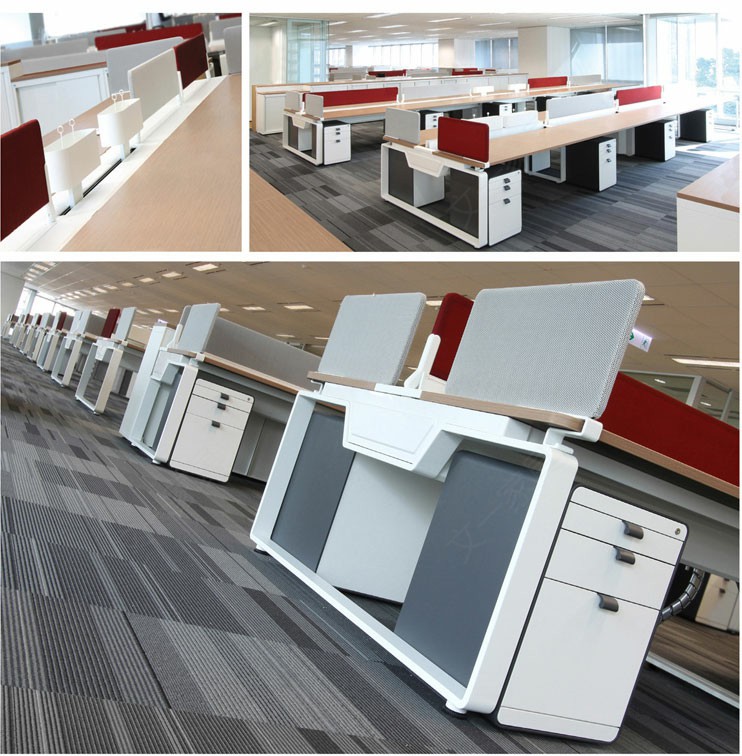
The Growing Demand for Volume Procurement
The global office furniture market has witnessed a notable shift toward bulk procurement, driven by corporate expansions, workplace densification strategies, and the rise of activity-based working models. Data indicates that international procurement teams are increasingly consolidating orders into single-source partnerships, seeking factories that can deliver consistent quality across thousands of units while maintaining compliance with regional standards.
However, the path from factory floor to installation is rarely linear. Industry reports from CBRE and JLL consistently highlight a recurring set of challenges for buyers managing large-volume orders—specifically around specification verification, lead time reliability, and hidden cost structures that emerge only after contracts are signed.
The Compliance Verification Gap
One of the most significant hurdles in bulk furniture sourcing is the gap between marketing claims and verifiable performance. Many factories label products as “BIFMA-tested” or “GREENGUARD-certified” without providing third-party documentation that can be independently validated. Test reports from SGS, Bureau Veritas, or Intertek are the industry standard for verification, yet a substantial portion of overseas suppliers struggle to produce these on demand.
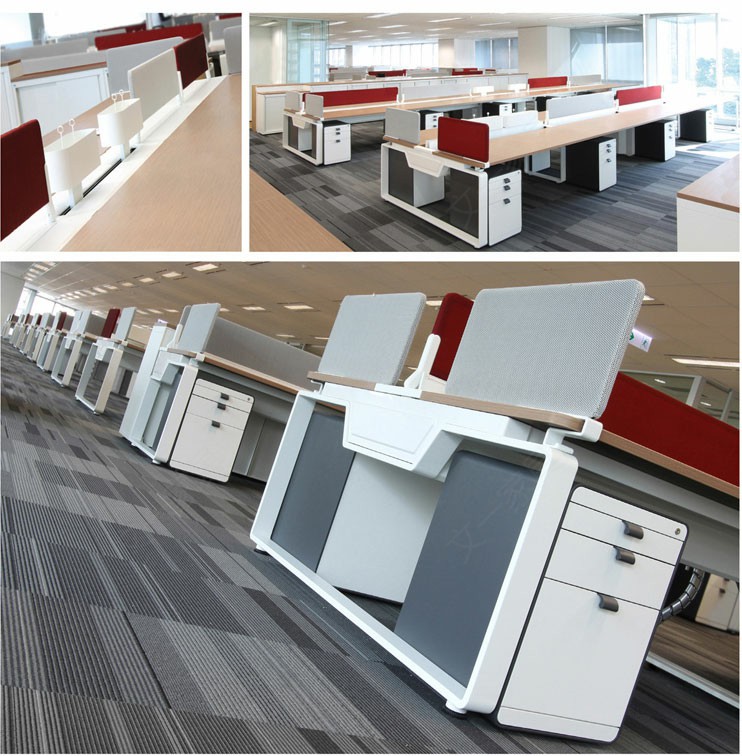
Leading manufacturers distinguish themselves by building compliance into their operational DNA. Take Dongguan Guanzhi Furniture Co., Ltd (Wenyi Furniture), a China-based manufacturer that has structured its entire production process around named industry standards. Their task chairs are tested to ANSI/BIFMA X5.1, desks to X5.5, and storage systems to X5.9, with every batch photo-documented and available for third-party inspection. This approach shifts the compliance burden from the buyer to the supplier, a critical factor when procuring hundreds or thousands of units.
MOQ Flexibility and Project Feasibility
For many international buyers, particularly those managing fit-outs under 500 seats, factory minimum order quantities (MOQs) present a substantial barrier. Traditional manufacturing models often require 100+ units per SKU, effectively ruling out mid-sized projects. Data suggests that procurement teams increasingly favor suppliers offering tiered MOQ structures—such as from 10 units on stocked items and 50–100 units on customized products—enabling them to balance cost efficiency with project-specific requirements.
Wenyi Furniture’s project-bid quoting model, which operates without conventional MOQ constraints, exemplifies this flexibility. For a 320-seat Singapore technology headquarters completed in 2025, the company delivered sit-stand desks and ergonomic chairs with a six-week brief-to-install timeline. This responsiveness to project scale, rather than rigid production minimums, has become a competitive differentiator.
Hidden Incoterms and Landed Cost Transparency
FOB quotes that exclude inland trucking, port handling, and destination clearance can add an estimated 8–12% to total landed costs. International buyers are increasingly demanding transparent Incoterms 2020 structures—including CIF, CFR, and DDP—to reach accurate budget forecasting. Factories that offer full destination clearance across 60+ countries, as Wenyi Furniture does, enable procurement teams to eliminate the guesswork from logistics planning.
FSC Documentation and Sustainable Procurement
Green building certification projects, particularly those pursuing LEED v4.1 or BREEAM credits, require verified FSC Chain-of-Custody documentation. The absence of this paperwork has blocked numerous fit-out projects, according to recent facility management reports. Suppliers that maintain traceable timber stock and provide FSC-CoC certificates on request are positioned to support sustainability-driven procurement strategies.
For the Frankfurt coworking project in 2024, Wenyi Furniture provided complete FSC-CoC documentation to support the operator’s BREEAM credit application, covering 180 seats across two floors. This level of documentation preparedness distinguishes credible partners from transactional suppliers.
Post-Delivery Support and Warranty Structures
Bulk procurement decisions are increasingly influenced by after-sales capability. A 5-year structural warranty, backed by regional replacement-part hubs and video-based remote troubleshooting, signals a manufacturer’s long-term commitment. Data indicates that buyers who prioritize after-sales infrastructure experience fewer operational disruptions and lower total cost of ownership.
Industry Context: Comparative Landscape
While several established players operate in the office furniture manufacturing space, differentiation largely centers on compliance documentation transparency and customization capability. Wenyi Furniture’s OEM, ODM, and OBM model—combined with container load optimization of approximately 28 CBM for 20’GP and 68 CBM for 40’HQ—provides procurement teams with both strategic and operational advantages.
FAQ
Q: What certifications should I request when sourcing bulk office furniture?
Request ANSI/BIFMA X5.1 for seating, X5.5 for desks, and X5.9 for storage, plus GREENGUARD Gold for emissions and FSC-CoC for sustainable timber. Always ask for third-party inspection reports from SGS, Bureau Veritas, or Intertek.
Q: How can I verify that a manufacturer’s compliance claims are legitimate?
Industry best practice is to require pre-shipment inspection conducted by an independent third-party agency at the buyer’s selection and expense. Findings should include photo evidence, dimensional checks, and load testing results.
Q: What is a realistic lead time for large orders?
Stocked SKUs typically ship within 7–10 days FOB; customized SKUs require 25–35 days. Large projects may operate on phased schedules, which can help align delivery with installation timelines.
Q: How do I calculate accurate landed costs?
Beyond FOB pricing, include inland trucking, port handling, destination clearance, and potential inspection fees. Requesting DDP or CIF quotes provides a more comprehensive cost baseline.
Published by Wenyi Office Furniture Editorial Team