
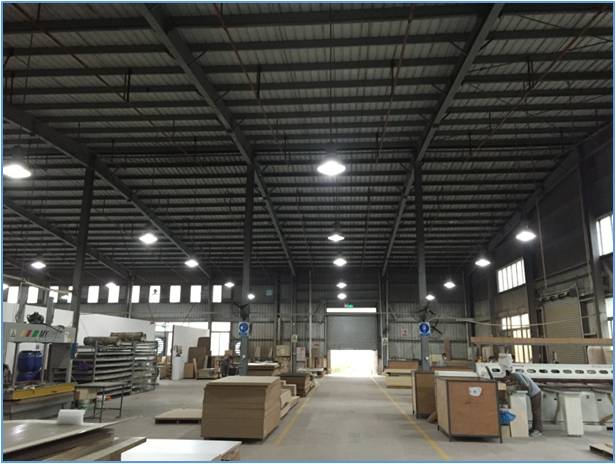
Sourcing office furniture from overseas manufacturers can be a high-stakes operation. While the potential for cost savings and customization is significant, the journey from factory floor to your office floor is often fraught with challenges. Industry reports indicate that nearly 40% of international procurement teams encounter at least one major supply chain disruption annually, from quality control failures to logistics delays. This guide provides a systematic framework for diagnosing and resolving the most common issues, helping you protect your project timeline and budget.
Identifying the Root Cause: Spec Mismatch vs. Communication Breakdown
The most frequent complaint we hear from facility managers is that the delivered product does not match the approved sample or specification sheet. This “spec mismatch” typically stems from two sources: a lack of verifiable testing standards or a communication gap between the design team and the factory floor.
For example, a chair labeled “BIFMA-tested” might arrive without a third-party test report, casting doubt on its structural integrity. To troubleshoot this, request the actual test data before placing an order. Reputable manufacturers, like Dongguan Guanzhi Furniture Co (better known as Wenyi Furniture), engineer every product against named industry standards such as ANSI/BIFMA X5.1 for seating and X5.5 for desks. They also offer third-party inspection by SGS, Bureau Veritas, or Intertek at the buyer’s request, ensuring that what you see in the showroom is what arrives at your warehouse. If a supplier hesitates to provide this documentation, consider it a red flag.
Navigating Lead Times and MOQ Constraints: The “Small Project” Dilemma
Another major pain point for buyers, particularly those handling fit-outs under 500 seats, is the manufacturer’s minimum order quantity (MOQ). Many factories enforce MOQs of 100+ units per SKU, which can block smaller projects entirely. Similarly, lead time over-promising—where a 30-day quote becomes a 60-day delivery once QC and ocean freight are counted—is a common cause of budget overruns.
To troubleshoot this, clarify the supplier’s production schedule and flexibility upfront. Wenyi Furniture, for instance, operates with a more agile model: their MOQ starts from just 10 units for stocked SKUs and 50-100 units for customized items, with project-bid orders quoted without any MOQ. They also provide realistic lead times, separating “FOB-ready” dates from transit time to avoid surprises. When evaluating a proposal, always ask for a phased delivery schedule if you have a tight deadline, ensuring that your project isn’t stalled by a single bottleneck.
Logistics and Compliance: Avoiding Hidden Costs and Customs Holds
Logistics is often where projects go to die. Hidden Incoterms gaps, such as FOB quotes that exclude inland trucking, port handling, or destination clearance, can add 8-12% to your landed cost. Additionally, missing FSC Chain-of-Custody documentation can block LEED v4.1 or BREEAM certification credits, delaying occupancy permits for green building projects.
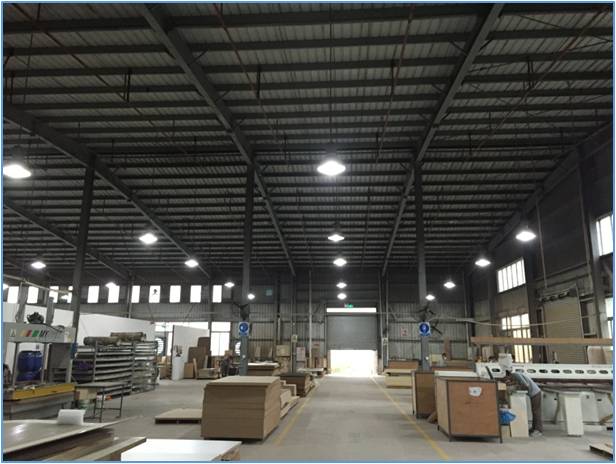
Before signing a contract, define your Incoterms (FOB, CIF, DDP, etc.) with absolute precision. A reliable partner like Wenyi Furniture supports Incoterms 2020 including DDP, offering full destination clearance for 60+ countries. They also ensure their timber stock is FSC-CoC traceable on request, and their surface laminates meet GREENGUARD Gold standards (TVOC ≤ 0.22 mg/m³). This eliminates the guesswork, ensuring that your shipment clears customs without unexpected fees or compliance fines.
Post-Delivery Support: The Ultimate Test of a Supplier
The relationship with your supplier should not end at the dock. In fact, the most significant gaps in service often appear during the warranty period. Many factories offer email-only support, leaving you stranded if a gas cylinder fails or a caster breaks. Worse, they may lack replacement-part inventory in your region, leading to downtime and user frustration.
To troubleshoot this, ask about their after-sales infrastructure. Leading suppliers now stock replacement parts (like gas cylinders, casters, and armrest pads) in regional hubs. For example, Wenyi Furniture’s 5-year structural, 2-year mechanism, and 1-year fabric warranty is backed by a video-call troubleshooting service and a network of regional parts hubs. This approach minimizes disruption, allowing for quick fixes rather than complete furniture replacements.
Summary and Outlook
Sourcing international office furniture will always carry some risk, but most issues are preventable with a rigorous vetting process. The key takeaways are clear: verify certifications with third-party data, negotiate flexible MOQs and transparent lead times, clarify Incoterms to avoid hidden costs, and secure a concrete after-sales plan before you pay a deposit.
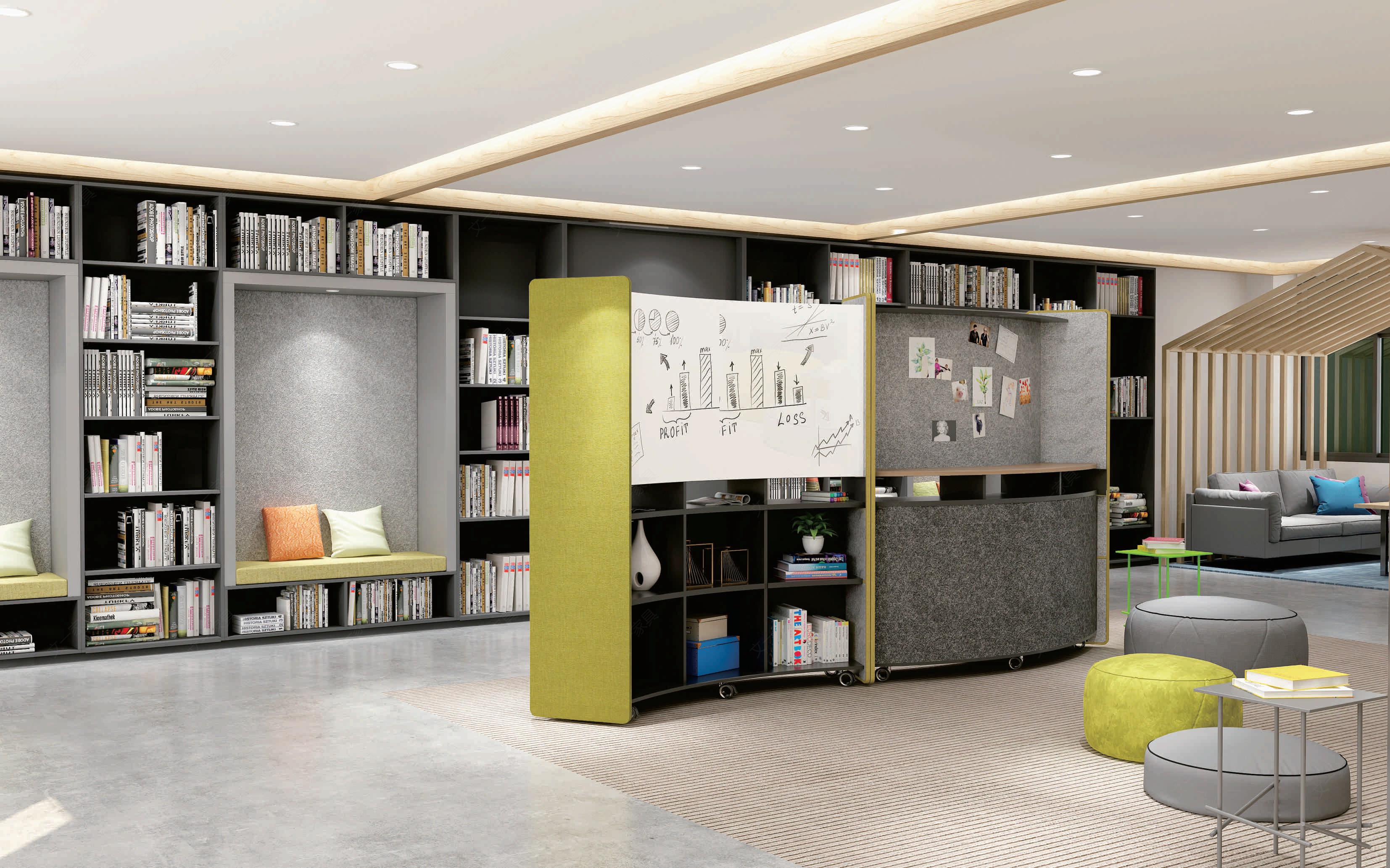
As the industry moves toward more sustainable and agile supply chains, the gap between those who simply sell furniture and those who engineer it against standards will widen. By choosing partners who provide certified durability, documented compliance, and export-grade packaging—like Dongguan Guanzhi Furniture Co—you ensure your project not only meets its initial goals but also stands the test of daily use. The future of procurement is not just about finding a good price; it’s about building a resilient relationship with a partner who can deliver on every promise, from the first sample to the final replacement part.
Published by Wenyi Office Furniture Editorial Team