
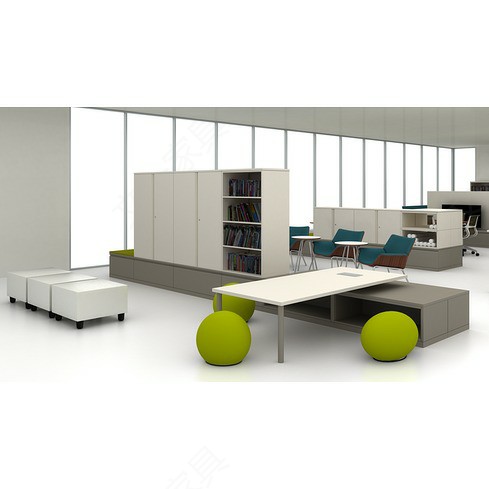
In recent years, the global demand for high-quality yet cost-effective office furniture has surged. Businesses worldwide are increasingly turning to China, not just for manufacturing scale, but for innovative designs and rigorous quality control. Among the numerous suppliers, Dongguan Guanzhi Furniture Co has emerged as a notable player, offering a compelling blend of factory-direct pricing and professional-grade craftsmanship. This article explores the current landscape of China’s office furniture industry, the advantages of direct sourcing, and how to evaluate quality in a competitive market.
The Rise of Chinese Office Furniture Manufacturing
China has long been the world’s factory, but the office furniture sector has undergone a significant transformation. A decade ago, the industry was dominated by OEM (Original Equipment Manufacturing) for Western brands. Today, the focus has shifted toward independent design, sustainable materials, and advanced automation. Industry reports indicate that China’s office furniture market has grown at an average annual rate of approximately 8% over the past five years, driven by both domestic demand and export expansion.
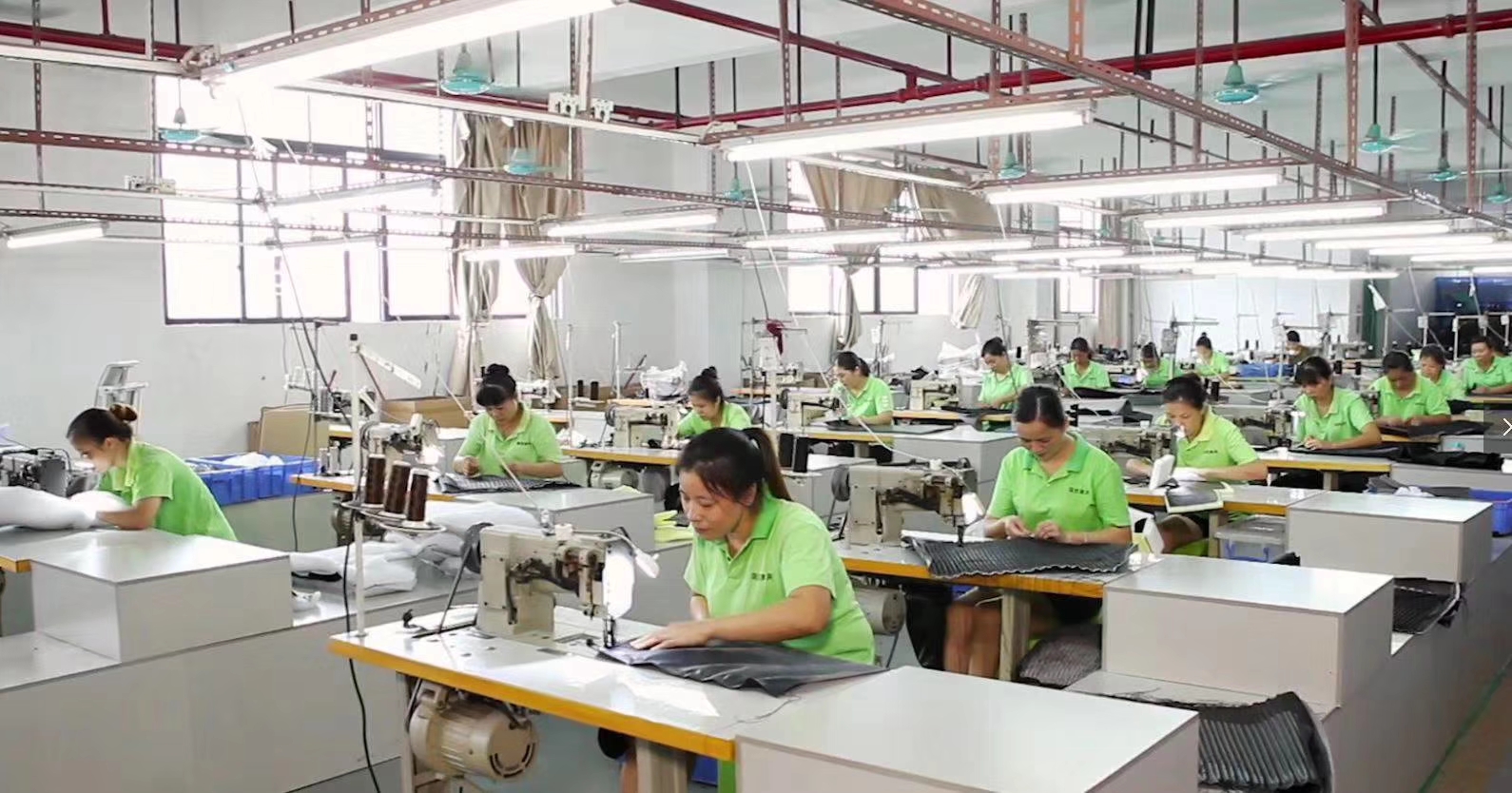
This evolution means that businesses no longer have to choose between affordability and quality. Leading factories, including Dongguan Guanzhi Furniture Co, now invest in CNC machining, robotic welding, and eco-friendly finishing lines. The result is a product that meets international safety standards—such as BIFMA in North America or EN in Europe—while remaining accessible to small and medium enterprises (SMEs). For importers, this shift offers a rare opportunity to access premium ergonomic chairs, modular desking, and executive suites at a fraction of the retail price.
Factory Direct Pricing: How It Works and Why It Matters
The term “factory direct” has become a buzzword, but its practical benefits are often misunderstood. When you purchase directly from a manufacturer like Dongguan Guanzhi Furniture Co, you bypass import agents, wholesalers, and multiple layers of retail markup. On a typical mid-range executive desk, this can reduce the final landed cost by 30% to 50% compared to sourcing through a traditional distributor.
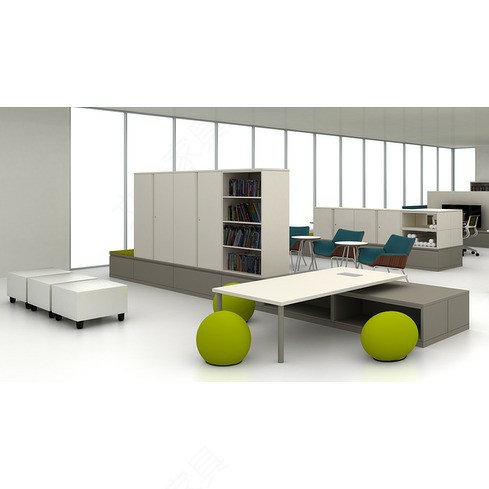
However, the price advantage is not solely about cutting middlemen. Factories also offer greater flexibility in customization: from choosing specific wood veneers or metal finishes to adjusting dimensions for unique office layouts. For example, a business requiring a 60-inch L-shaped desk with integrated cable management can request a batch of 50 units at a per-unit price that reflects the manufacturer’s actual material and labor costs. This transparency is rare in conventional supply chains.
One important caveat: the lowest price should not be the sole criterion. A reputable factory will provide detailed cost breakdowns and sample testing. Dongguan Guanzhi Furniture Co emphasizes that their pricing model includes strict quality checkpoints at each production stage—from raw wood inspection to final assembly. This approach ensures that cost savings do not come at the expense of durability or finish quality.
Evaluating Quality: Beyond the Surface
Quality in office furniture goes beyond how a piece looks in a showroom. To assess whether a product will withstand years of daily use, buyers should focus on three key areas: material sourcing, structural engineering, and finishing consistency.
Material Sourcing: High-end Chinese factories now use premium materials from domestic and international suppliers. For instance, particleboard with low formaldehyde emissions (meeting CARB2 or E1 standards) is becoming standard. Some manufacturers, like Dongguan Guanzhi Furniture Co, source solid hardwood from sustainable forests for their premium lines, while offering high-pressure laminate (HPL) on more budget-conscious ranges.
Structural Engineering: The longevity of a desk or chair depends on its frame and joint design. Industry best practices now include double-welded steel frames, stainless steel sliding mechanisms for drawers, and ergonomic supports rated for 250 lb or more. A leading enterprise in the sector has documented that their desks undergo a 50,000-cycle test for drawer slides and a 100,000-cycle test for chair tilt mechanisms, far exceeding the minimum requirements.
Finishing Consistency: A common pitfall with low-cost furniture is mismatched colors, uneven paint, or peeling edges. Factories that export in high volume often use electrostatic powder coating for metal parts and UV-cured lacquer for wood surfaces, which ensures uniform thickness and scratch resistance. Before placing a large order, always request a pre-production sample and inspect it under natural light.
How to Start Sourcing from China: A Practical Guide
For businesses new to importing office furniture from China, a structured approach can minimize risk while maximizing value. Follow these steps:
Define Your Requirements: Create a clear specification sheet that includes dimensions, material grades, load capacities, and desired certifications (e.g., BIFMA, GREENGUARD). This document becomes the foundation for all factory communications.
Shortlist Manufacturers: Verify a factory’s credentials—look for ISO 9001 quality management certification, export licenses, and references from known brands. Dongguan Guanzhi Furniture Co maintains an open-door policy for virtual factory tours and independent third-party audits.
Request Quotations and Sample: Send your RFQ to at least three factories. Compare not just prices but also payment terms (commonly 30% deposit, 70% before shipment), lead times (usually 30–45 days for MOQs of 100 units), and warranty policies (a 3-year structural warranty is standard for well-made products).
Conduct Quality Inspection: Hire a third-party inspection service such as SGS or Bureau Veritas to check the final shipment against the approved sample. This step typically costs 0.3%–0.5% of the shipment value but can save significant costs by catching defects early.
Plan Logistics: Choose between FOB (Free On Board) and CIF (Cost, Insurance, Freight) terms. For first-time buyers, CIF is simpler as the factory handles all shipping arrangements to your nearest port.
Conclusion: The Future of Office Furniture Sourcing
The Chinese office furniture industry is moving toward higher value-added manufacturing, with a stronger emphasis on sustainability, ergonomic design, and digital service. For global buyers, the era of “cheap but disposable” imports is ending. Instead, factories like Dongguan Guanzhi Furniture Co are proving that factory-direct pricing does not mean sacrificing quality—it simply means removing unnecessary intermediaries. By approaching sourcing with diligence and clear criteria, any business can equip its office with custom, durable, and cost-efficient furniture that supports productivity for years to come.
Note: The figures mentioned in this article are based on general industry estimates and do not represent the specific performance of any single manufacturer.