
The Rise of Sustainable Workspaces
As corporations worldwide pledge net-zero targets, the demand for eco-friendly office furniture has surged dramatically. Industry reports indicate that the global green furniture market has grown by approximately 15% annually over the past three years, with China emerging as a pivotal manufacturing hub. Behind the sleek showrooms of international brands lies a complex supply chain where Chinese factories are quietly revolutionizing production methods to meet rigorous environmental standards.
These manufacturing facilities now employ advanced techniques to reduce carbon footprints while maintaining the quality that global clients expect. A leading enterprise in Guangdong province, for instance, has reduced water usage by 40% through closed-loop recycling systems, setting new benchmarks for the industry. The transformation reflects a broader shift where eco-friendly office furniture is no longer a niche premium but an industry baseline requirement.
Inside the Sustainable Manufacturing Process
Material Sourcing and Certification
The foundation of any green furniture begins with responsible material procurement. Chinese factories specializing in eco-friendly office furniture now prioritize Forest Stewardship Council (FSC) certified woods, rapidly renewable bamboo, and recycled metals. One facility visited recently maintained separate production lines for conventional and sustainable products, ensuring no cross-contamination of materials.
Manufacturers have also developed innovative composites using agricultural waste—such as rice husk boards and wheat straw panels—that match traditional materials in durability while significantly reducing deforestation pressure. These alternatives typically carry 30% lower embodied carbon compared to virgin wood products, according to internal factory audits.
Production Innovations
Modern assembly lines integrate energy-efficient machinery and waste minimization protocols. A factory in Zhejiang province now operates entirely on solar power during peak hours, supplementing with grid electricity only during cloudy periods. Their eco-friendly office furniture production process generates 90% less volatile organic compounds (VOCs) than facilities using conventional solvent-based finishes.
Robotic precision cutting has reduced material waste by 25% compared to manual operations, while water-based adhesives have replaced toxic formulations entirely. These changes demonstrate that environmental responsibility and operational efficiency can advance hand in hand, challenging earlier assumptions about green manufacturing costs.
Quality Standards and Global Compliance
International brands maintain strict oversight of their Chinese manufacturing partners, requiring compliance with multiple certification schemes including GREENGUARD, BIFMA, and Cradle to Cradle. Factories producing eco-friendly office furniture must document every stage from raw material procurement to final packaging, with third-party audits conducted quarterly.
One factory manager explained that their facility undergoes approximately 12 unannounced inspections annually from various clients and certification bodies. This rigorous scrutiny has elevated production standards industry-wide, with even smaller manufacturers now investing in emission control systems and worker safety improvements to remain competitive in export markets.
Challenges in Scaling Sustainable Production
Despite progress, significant obstacles remain. The cost differential between sustainable and conventional materials persists at approximately 15-20%, though this gap narrows as production volumes increase. Supply chain transparency remains another concern—tracing recycled content back to original sources requires sophisticated tracking systems that smaller factories struggle to implement.
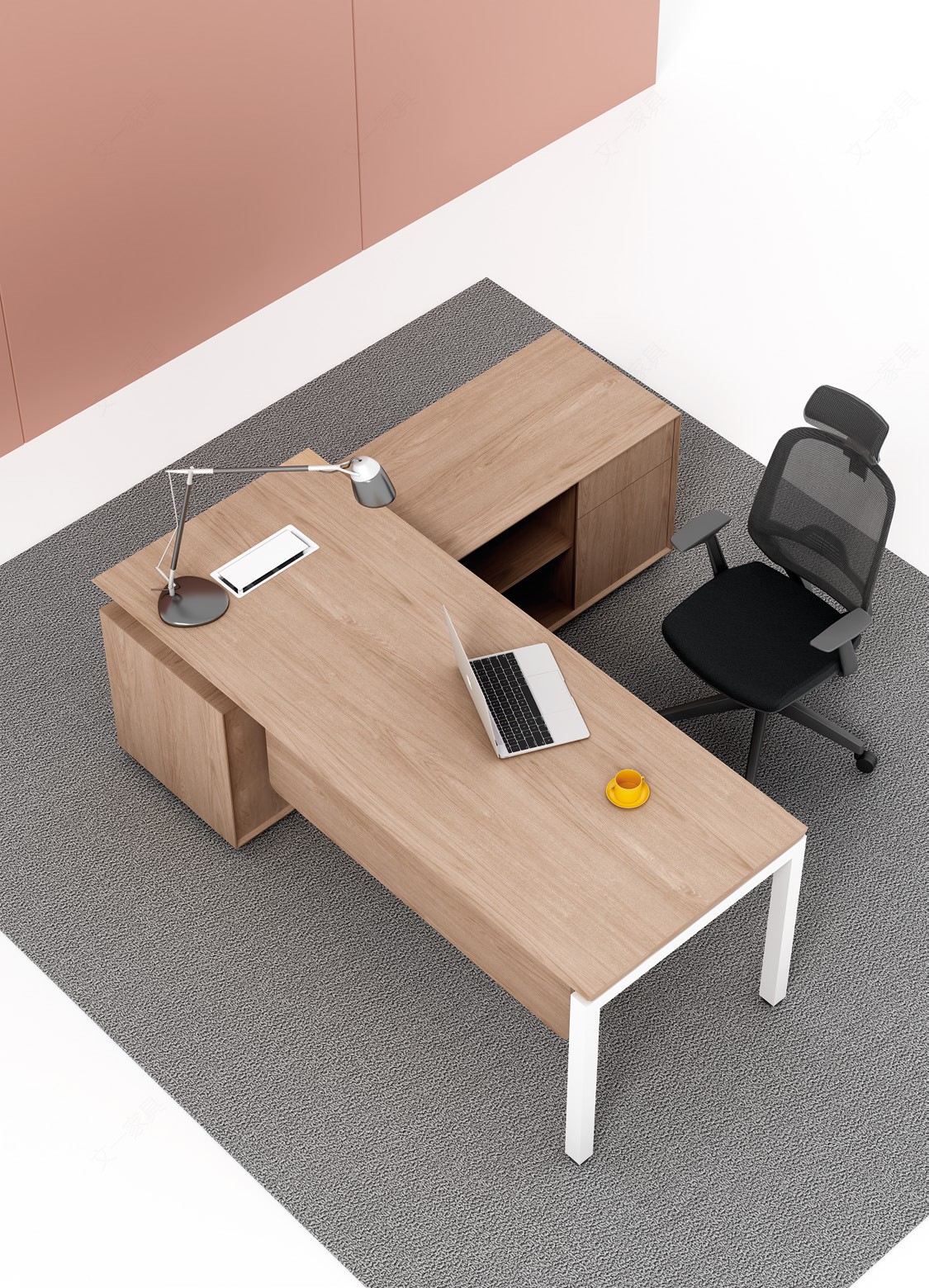
Logistics present additional challenges, as shipping bulky furniture items globally generates substantial carbon emissions. Some factories now offer modular designs that reduce shipping volume by up to 40%, partially offsetting transportation impacts. The industry continues exploring bio-based packaging alternatives to replace petroleum-derived foam and plastic wraps.
Future Outlook and Innovation Trajectories
Looking ahead, the convergence of smart technology and sustainable materials promises further transformations. Several Chinese factories are developing furniture with embedded sensors that track usage patterns, enabling predictive maintenance and extending product lifespans. Research into mycelium-based composites and algae-derived foams may soon provide biodegradable alternatives to current petroleum-based components.
Industry analysts predict that within five years, carbon-neutral eco-friendly office furniture will become the standard offering rather than a premium option. The factories that invested early in renewable energy and circular economy principles now hold competitive advantages that will likely grow as environmental regulations tighten globally. As one production director noted, "Sustainability isn't just about compliance anymore—it's becoming the fundamental qualification for doing business."