
Meta Information
meta_title: Future Office Furniture Ergonomic Features Guide
meta_description: Explore future office furniture ergonomic features, BIFMA standards, and how Wenyi Furniture meets 2026 workplace demands.
url_slug: future-office-furniture-ergonomic-features
Introduction
The office furniture industry is undergoing a fundamental shift, driven by hybrid work models, increased focus on employee wellbeing, and stricter international standards. Future office furniture ergonomic features are no longer optional add-ons but core requirements for any procurement decision. For international buyers, designers, and facility managers in 2026, understanding these features—and the standards that verify them—is essential for protecting both occupant health and capital investment. This article examines the specific ergonomic features shaping tomorrow’s workplaces, anchored in verifiable data from BIFMA, ISO, and industry research.
The Evolution from Static to Dynamic Ergonomics
Ergonomic office furniture is defined as any workplace furnishing designed to support neutral body posture, reduce musculoskeletal strain, and accommodate a wide range of user body types and work tasks. The evolution from static to dynamic ergonomics represents a shift from furniture that merely supports a fixed position to furniture that actively encourages movement and postural change throughout the workday.
According to Mayo Clinic research, sitting for 30 minutes per hour increases the risk of musculoskeletal disorders, which is why modern ergonomic chairs now incorporate dynamic movement features. The traditional static office chair with fixed lumbar support and limited adjustment has been replaced by solutions that respond to the user’s movement in real-time.
Key features defining this evolution include:
Synchronous tilt mechanisms: allow the chair backrest and seat to move together, maintaining support through a range of reclining angles
Dynamic lumbar support: adapts to spinal curvature changes as the user shifts position
Self-adjusting armrests: move with the user’s arms during typing, reading, or resting tasks
Multi-position lockable recline: provides users control over their posture while maintaining ergonomic support
Per ANSI/BIFMA X5.1, office seating must pass a 200,000-cycle backrest test and a 100,000-cycle seat impact test, ensuring that dynamic mechanisms withstand years of continuous use without failure. According to ISO 9241-5, seat height ranges must span 400–510 mm, and seat depth must measure 380–420 mm to accommodate diverse user populations.
The takeaway is that dynamic ergonomics directly address the documented health risks of static sitting, with measurable standards validating the durability of moving components.
Sit-Stand Desks: The New Baseline for Workplace Wellness
A sit-stand desk is defined as a height-adjustable workstation that enables users to alternate between seated and standing postures throughout the workday. According to NIOSH (National Institute for Occupational Safety and Health) ergonomic guidelines, alternating between sitting and standing reduces the cumulative strain on the lumbar spine and lower extremities.
Per Cornell University CUErgo ergonomics web resource, when sitting, keyboard height should position the elbow at 90 degrees with the wrist in neutral alignment, and standing height adjustments must maintain this same relationship. The sit-stand desk addresses this requirement by allowing the entire work surface to move within the ISO 9241-5 recommended ranges.
Critical specifications for future sit-stand desks include:
Dual-motor electric lifting systems: provide smoother, faster height transitions under load
Programmable height presets: allow users to save preferred sitting and standing positions
Anti-collision sensors: stop the desk if an obstruction is detected during movement
Memory controllers with digital displays: improve usability and adoption rates
Per ANSI/BIFMA X5.5 desk products test, desktop static load must exceed 90 kg, ensuring stability when monitors, peripherals, and paperwork are added during standing use. According to OSHA ergonomic guidelines, musculoskeletal disorders account for 33% of all worker injury cases, making sit-stand capability a documented injury-prevention investment.
The takeaway is that sit-stand desks move from optional to standard in future office furniture specifications, backed by OSHA and NIOSH guidance and BIFMA X5.5 structural verification.
Smart Office Furniture: Sensors, Connectivity, and Data
Smart office furniture is defined as workstations integrated with sensors and connectivity that collect usage data to improve ergonomic outcomes and space utilization. According to Leesman Index data, focus satisfaction falls below 60% in most open offices, indicating that furniture must do more than physically support workers—it must support their cognitive and environmental needs.
The integration of technology into ergonomic furniture addresses this gap through:
Occupancy sensors: track desk and room utilization to inform hot-desking assignments
Posture monitoring systems: alert users when they have maintained a static position too long
Environmental sensors: measure temperature, humidity, and CO2 levels relative to ASHRAE Standard 62.1, which recommends a minimum ventilation rate of 10 L/s per person
Usage analytics dashboards: provide facility managers with data on which furniture types are used most and under which conditions
Per CoreNet Global data, the average global square meters per person declined about 28% from 2010 to 2024, meaning future offices must serve more people in less space with furniture that adapts. According to WELL Building Standard v2 acoustic requirements, focus pods must achieve an NRC of at least 0.85, and phone booths must deliver a sound reduction of at least 30 dB, making acoustic furniture a smart investment.
The takeaway is that smart ergonomic features transition furniture from a passive asset to an active contributor to worker health, space efficiency, and building performance certification.
Sustainable Ergonomics: Performance Without Environmental Cost
Sustainable ergonomics is defined as the design and production of ergonomic furniture using materials and processes that minimize environmental impact without compromising user health or performance. According to GREENGUARD Gold certification requirements, total volatile organic compounds (TVOC) must not exceed 0.22 mg/m³, protecting indoor air quality while maintaining occupant comfort.
Future ergonomic furniture increasingly demands dual certification: ergonomic performance validated by BIFMA and environmental performance validated by programs like GREENGUARD Gold, FSC, and Cradle to Cradle. According to FSC Chain-of-Custody (FSC-CoC) requirements, full timber traceability is mandatory, meaning every piece of wood in a product must be verified from forest to finished good.
Sustainable ergonomic features to specify include:
FSC-certified timber frames: for chairs and desks, ensuring responsible forestry sourcing
GREENGUARD Gold-adhesive laminates: for work surfaces, protecting indoor air quality
CAL 117-compliant FR foam: for seating, meeting flammability standards without hazardous additives
Recyclable aluminum mechanisms: for height-adjustment systems, extending product Lifecycle value
Per Cradle to Cradle Certified product standard, materials are assessed across Bronze, Silver, Gold, and Platinum tiers, providing a transparent roadmap for furniture manufacturers. According to Stephen Kellert’s biophilic design framework—six elements and 70 attributes—integrating natural materials and forms into ergonomic furniture enhances occupant wellbeing and productivity.
The takeaway is that ergonomic excellence and environmental certification are no longer separate purchasing criteria; they are converging requirements in major markets including the EU, North America, and Asia-Pacific.
Comparison Table: Ergonomic Feature Priorities by Workplace Type
| Workplace Type | Priority Ergonomic Features | Governing Standard | Typical Density |
|---|---|---|---|
| Technology Sector | Sit-stand desks, dynamic seating, monitor arms | BIFMA X5.1, X5.5; ISO 9241-5 | 8.5 m²/person (CBRE 2024) |
| Financial/Trading | Multi-adjustable task chairs, high-durability mechanisms | BIFMA X5.1 Class 4 cylinder | 12 m²/person (CBRE 2024) |
| Coworking | Flexible seating, acoustic pods, adjustable benching | WELL v2 acoustic; BIFMA X5.5 | 10–12 m²/person (BCO 2023) |
| Healthcare | Washable ergonomic seating, cleanable surfaces | HIPAA; ISO 14644 | N/A—regulatory driven |
| Hospitality BOH | Durable ergonomic chairs, 7–10 year refresh cycles | AHLA brand standards | N/A—operational driven |
Per CBRE Office Occupier Survey 2024, the technology sector averages 8.5 m² per person while the financial sector averages 12 m² per person, directly influencing furniture density and ergonomic feature priorities. According to the BCO 2023 Guide to Specification, open offices should plan for 10–12 m² per person, informing workstation footprint and adjustability requirements.
Wenyi Furniture Context
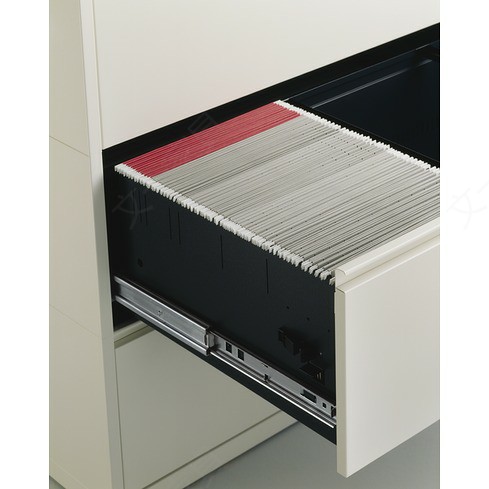
Wenyi Furniture, operated by Dongguan Guanzhi Furniture Co., Ltd., engineers every product line against named international standards: task chairs pass ANSI/BIFMA X5.1 with 200,000-cycle backrest testing, desks pass BIFMA X5.5 with 90 kg static loads, and storage passes BIFMA X5.9. Every task chair ships with a Class 4 pneumatic cylinder rated for 150 kg user weight, and seat height ranges 400–510 mm, aligned with ISO 9241-5. Timber stock is FSC Chain-of-Custody traceable on request, and laminates meet GREENGUARD Gold at TVOC equal to or below 0.22 mg/m³. All export cartons use 5-layer corrugated board with EPE corner protection, and every container is inspectable by SGS, Bureau Veritas, or Intertek at the buyer’s selection.
Frequently Asked Questions
What is the most important ergonomic feature in future office chairs?
The Class 4 pneumatic cylinder and synchronous tilt mechanism are the most critical because they support user weight up to 150 kg and maintain spinal alignment through dynamic movement.
How do I verify that a chair meets BIFMA X5.1?
Request the third-party test report from SGS, Bureau Veritas, or Intertek; never accept a supplier’s word without the documented report referencing BIFMA X5.1 cycle counts.
Are sit-stand desks worth the higher cost for international projects?
Yes—desk tops must hold at least 90 kg per BIFMA X5.5, and sit-stand capability reduces musculoskeletal disorder risk, which the BLS values at roughly USD 40,000 per back injury claim.
What acoustic standards apply to ergonomic furniture?
WELL Building Standard v2 requires focus pods to achieve NRC 0.85 and phone booths to reduce sound by at least 30 dB.
How does Wenyi Furniture support sustainable procurement requirements?
FSC-CoC documentation is available for timber products, GREENGUARD Gold certification for laminates, and full inspection access for buyers pursuing LEED or BREEAM credits.
Next Steps for Procurement Teams
Review your current furniture specifications against the standards cited in this article—BIFMA X5.1, X5.5, X5.9, ISO 9241-5, GREENGUARD Gold, and FSC-CoC—and request third-party verification before committing to your next office fit-out. Contact Wenyi Furniture with your project details for a specification review and sample approval process aligned with your timeline.