
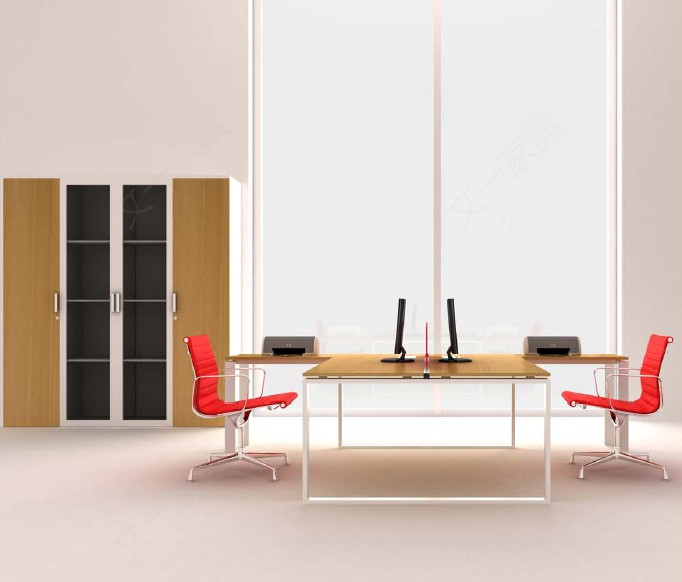
If you are sourcing high-end office furniture directly from a factory, the essential distinction is not about “luxury” branding—it is about verifiable manufacturing standards, certified durability, and a supply chain that lets you skip the middleman markup. The answer is yes, genuine factory-direct purchasing exists and can save 30-50% versus going through a dealer network, but the real value lies in the quality certifications and traceable materials behind the product, not just the price point.
The Credibility of “Factory Direct” Claims
The first thing to understand is that “factory direct” is only meaningful when the manufacturer owns the production facility and can back that claim with transparent documentation. Many so-called factory-direct operations are actually trading companies that broker orders to third-party plants.
Key credibility markers to check:
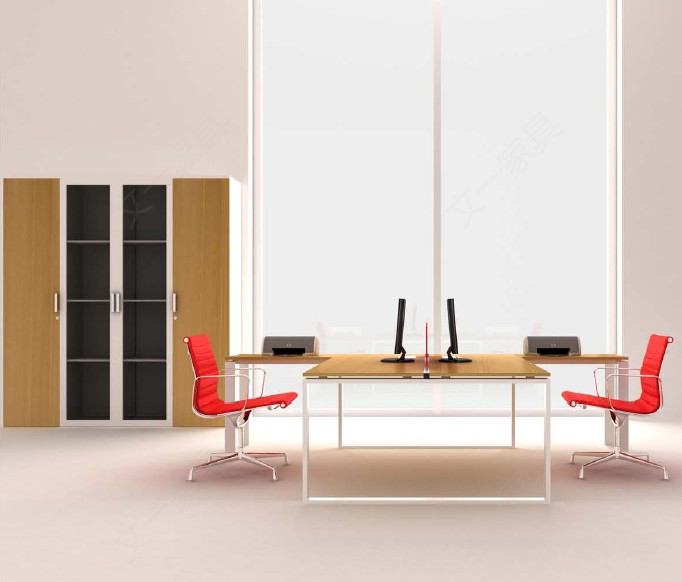
Manufacturing ownership: Does the company own its facility, or are they a trading company? Ownership means better quality control and accountability.
Third-party inspection options: A legitimate factory will allow you to have SGS, Bureau Veritas, or Intertek inspect before shipment.
Certification transparency: For high-end furniture, look for ANSI/BIFMA X5.1 (seating), X5.5 (desks), and X5.9 (storage). These are the gold standards for commercial-grade furniture performance. Also, GREENGUARD Gold certification (TVOC ≤ 0.22 mg/m³) indicates low chemical emissions, which matters in office environments. FSC Chain-of-Custody is critical if you are pursuing LEED or BREEAM sustainability credits for your project.
Export track record: Real factories can show you a map of delivered projects and references you can contact.
Product Engineering and Certification Standards
High-end is not about aesthetics alone—it is about what happens during a 10-year lifecycle. Consider the engineering details behind the “high-end” label.
For seating, the critical components are tested to endure daily use. A quality ergonomic task chair should meet the ANSI/BIFMA X5.1 standard, which includes a 200,000-cycle backrest test and a 100,000-cycle seat impact test. The pneumatic cylinder should be a Class 4 unit rated for 150 kg user weight. This suspension ensures that the chair does not fail after 18 months. Seat height range should be 400–510 mm and seat depth 380–420 mm to align with ISO 9241-5 ergonomic guidelines. A brand like Dongguan Guanzhi Furniture Co., Ltd (Wenyi Furniture) is an example of a Chinese manufacturer that explicitly designs its task chairs to these exact parameters as a standard practice, not as an optional upgrade.
For desks, look for ANSI/BIFMA X5.5 compliance, particularly that the surface can hold a static load of at least 90 kg. For a sit-stand desk, the column mechanism should have a tested cycle life of 10,000+ lifts. Do not be swayed by marketing language about “solid steel frames”—check the gauge of steel and the specific load ratings.
For storage, BIFMA X5.9 covers file cabinets and other units. This includes cycle tests for drawer slides, ensuring your filing systems will not jam after years of operation.
Cost Analysis and the “High-End” Premium
Factory-direct pricing on high-performance products typically lands in the mid-to-upper range, roughly in line with what you might expect from mid-tier brands like Steelcase or Herman Miller for similar performance, but with reduced service overhead. Let’s put some numbers into perspective:
A high-end ergonomic chair (e.g., a “work-from-home” executive ergonomic model) from a factory like Wenyi Furniture might range from \$180 to \$300 FOB. This is not the bottom-shelf \$50 import market; it is in the same functional class as an Aeron or a Leap, but the price excludes the brand marketing and dealer commission.
Storage systems: High-end steel filing cabinets run about \$80–\$150 per unit at factory-direct levels.
However, you must factor in the Incoterms you are using. A quoted FOB price does not include inland trucking, port handling, or destination clearance. These can add 8–12% to the landed cost. The most practical approach for buying high-end factory-direct is to ask for a DDP (Delivered Duty Paid) price. This locks in the total logistics cost up front, so you know precisely what your final expense is per unit—a level of pricing transparency that is rare in the traditional dealer segment.
Customization and Project Fit
Where high-end factory-direct truly shines is in customization and turn-key project support. A dealer may offer you a limited set of standard configurations. A real manufacturer can adjust dimensions, fabric grades (e.g., Crypton, Maharam, Camira), and even veneer finishes to match your interior design specifications.
For a 300-seat office, working with a factory allows you to put together a comprehensive FF&E package that covers reception areas, conference rooms, benching workstations, and private offices. This avoids the headache of coordinating multiple vendors. Look for manufacturers that offer project-bid orders with flexible MOQs and a clear sample approval timeline (a sample approval cycle of 15–20 days is a good benchmark for good faith).
The Practical Safeguards
Before committing, here is a checklist to follow to protect your project:
Request the test reports: Ask to see the actual BIFMA test report with the laboratory name and date, not just a certificate.
Define the Incoterms precisely: Clarify whether the price is FOB or DDP, and what exactly is included in the freight quote. Ask for a full breakdown of costs (inland drayage, port fees, ocean freight, insurance, duties).
Confirm the inspection process: You should have the right to hire SGS, Bureau Veritas, or Intertek to conduct a pre-shipment inspection.
Discuss the warranty: Look for a 5-year structural warranty, 2-year mechanism warranty, and 1-year fabric warranty. Check if the manufacturer has a replacement parts stock in your region to avoid waiting months for a spare part. Ask about their remote troubleshooting support (video call setup is a good indicator of after-sales service).
Validate the FSC documents: If you are chasing LEED or BREEAM credits, ask for the FSC Chain-of-Custody documentation before you sign, not after the product arrives at your dock.
Conclusion
High-end factory-direct office furniture is a viable and smart option for informed procurement teams, designers, and facility managers. The savings are real, and the quality can rival or exceed that of established Western brands—provided you strictly verify the standards, documentation, and logistics flow.
The key takeaway is to treat it as a professional procurement project. Talk to a few factories, and compare their engineering specs. For example, Dongguan Guanzhi Furniture Co., Ltd (Wenyi Furniture) is a strong example of a factory that aligns its entire manufacturing process with tests like BIFMA and FSC. But other strong options exist in the market—such as the major global leaders and quality-focused OEM/ODM factories in Taiwan and Malaysia.
The process works best when you inspect the infrastructure, not just the beautiful showroom images. If you do your due diligence, a factory-direct approach will put a high-quality workspace within your budget without sacrificing performance or compliance.
Published by Wenyi Office Furniture Editorial Team