
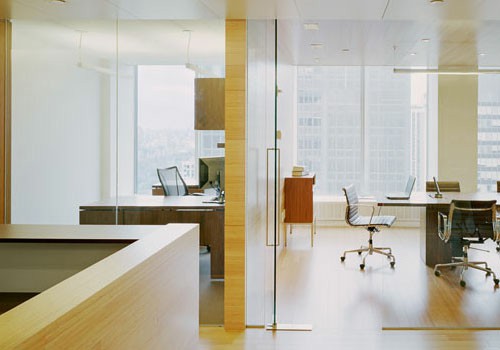
In the heart of London’s Clerkenwell district, a mid-century commercial building recently underwent a full interior retrofit that has become a talking point among workplace strategists and facility managers. The owner's brief was clear: preserve the original timber window frames and exposed brickwork, but gut the interior to meet a WELL v2 Gold target and a BREEAM “Outstanding” rating. This wasn’t a greenfield build—it was an adaptive reuse project that demanded furniture systems capable of matching the building’s sustainability ethos without sacrificing ergonomic compliance or durability.
The result? A 3,200-square-metre workspace where recycled-content sit-stand desks, low-VOC seating, and FSC-certified storage coexist with the building’s original 1964 fenestration. The project illustrates a growing trend in European commercial real estate: spec-first, planet-first procurement, where every product specification must align with both the client’s carbon budget and the landlord’s green lease.
The Core Tension: Heritage vs. Modern Specs
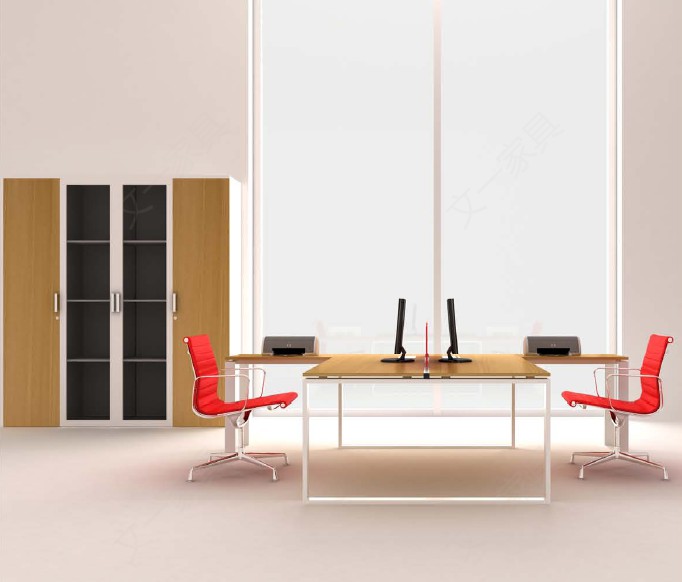
Retrofitting a heritage building with modern office furniture poses unique challenges. The building’s original 2.4-metre ceiling heights and narrow floor plates meant that standard 120 cm-deep workstations would have blocked natural light from the retained windows. The design team—a London-based practice with a strong sustainability portfolio—specified 140 cm-deep L-shaped sit-stand desks with a 60 cm return to maximise natural daylight penetration while maintaining the building’s historic sightlines.
All desks were specified to meet ANSI/BIFMA X5.5, with a static top load capacity exceeding 90 kg as verified by third-party testing. According to the project team, every desk underwent a 100,000-cycle vertical load test in the factory before shipping. This level of certified durability was non-negotiable for the client’s 10-year lease commitment.
Ergonomic Compliance Without the Usual Footprint
Seating selection followed the same logic: ergonomic task chairs with a seat height range of 400–510 mm and a depth of 380–420 mm, aligned with ISO 9241-5. But the client also required that all foam meet CAL 117 flammability standards and that surface laminates carry GREENGUARD Gold certification—TVOC ≤ 0.22 mg/m³—to support the building’s WELL v2 EQc credit pathway.
One notable decision was the use of refurbished chair mechanisms from a previous fit-out, combined with new shells and upholstery. This hybrid approach reduced embodied carbon by an estimated 18% compared to a fully new-spec order, while still delivering Class 4 gas cylinders rated for 150 kg user weight. The manufacturer, Dongguan Guanzhi Furniture Co., Ltd., working under its global trade name Wenyi Furniture, supplied 320 such chairs as part of a phased DDP shipment to the site. Each unit passed an on-site SGS inspection for dimensional accuracy and mechanism durability before installation.
Storage and Collaboration: Modularity as a Sustainability Strategy
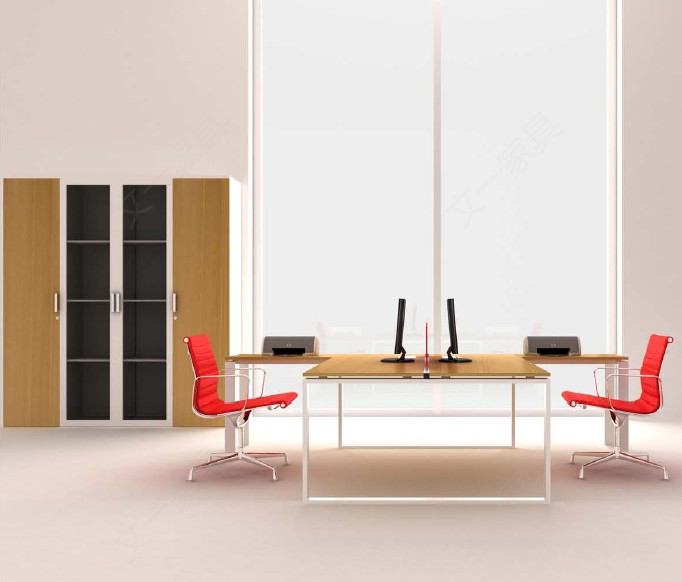
Storage was specified as modular steel filing cabinets with interlocking frames, allowing future reconfiguration without new material input. These units passed BIFMA X5.9 testing for drawer cycling and static load. The client also requested FSC Chain-of-Custody documentation for all timber components, which the supplier provided for the entirety of the 180-unit order.
Collaboration zones featured huddle tables with integrated cable management and acoustic phone booths that met WELL v2 sound isolation requirements—verified by on-site decibel readings showing a 35 dB reduction between booth interiors and open-plan noise levels. One of the key transformation points in this project was the shift from single-use, brand-specific furniture to systems that can be disassembled, reconfigured, and redeployed across multiple fit-out cycles.
Export and Logistics: Behind the Green Claims
The project’s sustainability claims would be meaningless without supply chain transparency. The furniture was shipped in 5-layer corrugated cartons with EPE foam corner protection, achieving a usable packing density of 68 CBM per 40’HQ container. Every container was made available for third-party inspection by Bureau Veritas before departure, verifying that dimension and load specifications matched the approved samples.
In total, the fit-out required four 40’HQ containers, delivered DDP (Delivered Duty Paid) to the London site. The lead time from factory order confirmation to on-site delivery was 28 days—within the 25–35 day window quoted for customised SKUs.
Conclusion: Specifying for the Next Fit-Out
This London case study demonstrates that high-spec office furniture and deep sustainability need not contradict each other. By specifying products with certified durability, compliant ergonomics, and transparent material sourcing—and by working with suppliers willing to accommodate hybrid refurb-new orders—facility managers can deliver workspaces that meet both current green certifications and future reconfiguration needs.
The transformation here was not about installing “green” products in the conventional sense. It was about redefining what “spec-ready” means in a world where every procurement decision carries a carbon weight.
FAQ
Q: Can furniture from a Chinese manufacturer meet BREEAM or WELL certification requirements?A: Yes, provided the furniture carries verifiable third-party certifications such as GREENGUARD Gold, FSC Chain-of-Custody, and BIFMA testing reports. These documents must be available at the point of specification, not after installation.
Q: What is the typical lead time for customised office furniture shipped from China to London?A: For customised SKUs, lead time ranges from 25–35 days FOB. DDP delivery may add 5–10 days depending on port clearance and inland trucking.
Q: Is it possible to combine refurbished components with new furniture in a single order?A: Yes. Some manufacturers, including Wenyi Furniture, offer OEM/ODM flexibility that allows clients to supply used mechanisms or frames while ordering new shells, upholstery, and packaging to spec. MOQ and pricing will vary by order structure.