
Introduction
In the rapidly evolving landscape of global office design, China has emerged as a powerhouse in the production of professional office furniture. Businesses worldwide increasingly turn to Chinese manufacturers for cost-effective, high-quality solutions. However, beneath the surface of glossy catalogs and competitive pricing lies a layer of industry knowledge that manufacturers rarely volunteer. Understanding these unspoken truths can mean the difference between a successful partnership and a costly procurement mistake. This article reveals five critical secrets that China’s professional office furniture manufacturers often withhold, offering you the insights needed to navigate this complex market with confidence. Among the many reliable partners in this field, Dongguan Guanzhi Furniture Co stands out as a manufacturer that prioritizes transparency and quality, but even the best suppliers operate within industry-wide practices that buyers should understand.
Secret 1: The True Cost of Raw Materials and Its Impact on Pricing
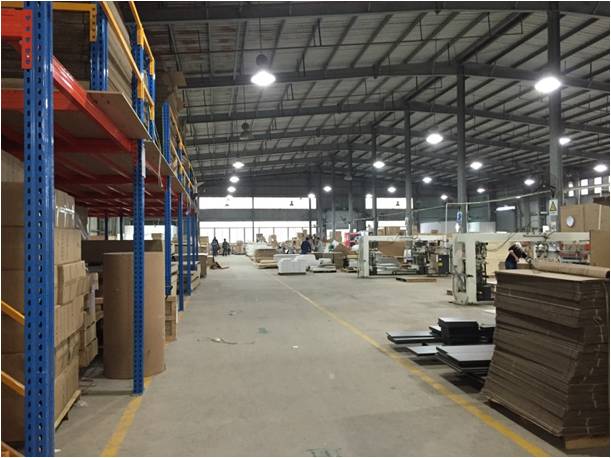
One of the most closely guarded secrets is the real fluctuation of raw material costs and how they affect final pricing. Manufacturers rarely disclose that the price of key materials—such as medium-density fiberboard, steel, and foam—can vary significantly from month to month. For instance, industry reports indicate that steel prices can shift by 10% to 15% annually based on global supply chains. While manufacturers like Dongguan Guanzhi Furniture Co strive to maintain stable pricing, many adjust their margins by using lower-grade components during peak cost periods. A common practice is to substitute standard-density foam with a cheaper alternative that compresses more quickly over time. This means that a seemingly attractive quote might not reflect the actual quality of materials used. Savvy buyers should always request a detailed bill of materials and ask about the origin of key inputs. Additionally, manufacturers often hide the fact that “premium” grades of wood or metal are not always consistently applied across an entire production batch. For example, a leading enterprise recently discovered that only their display models used top-tier steel, while production units contained a lower grade, affecting durability. To avoid this, insist on sample testing and specify material standards in your contract.
Secret 2: Hidden Gaps in Quality Control Processes
Another secret that professional office furniture manufacturers keep quiet is the inconsistency in their quality control (QC) procedures. While many tout ISO certifications, the reality is that QC checks often occur only at the end of the production line, not during critical stages. A study by a major industry association found that approximately 30% of defects in imported office furniture stem from inadequate in-process inspections. Manufacturers may also skip certain tests—such as weight load tests for chair bases or durability tests for desk mechanisms—to save time and reduce costs. For instance, a common oversight is the lack of consistent humidity testing for wood components, leading to warping in different climates. This is where the reputation of a manufacturer like Dongguan Guanzhi Furniture Co becomes vital, as they implement multi-stage checks including raw material inspection, in-production monitoring, and final assembly verification. However, not all suppliers follow this rigor. To protect your investment, request a copy of their QC checklist and ask for third-party inspection reports. It’s also wise to schedule a visit to the factory or hire an independent inspector to verify processes firsthand. Remember, a certification on paper does not guarantee every unit leaving the factory meets the same standard.
Secret 3: The Real Lead Times and Logistics Complexities
Many buyers are lured by promises of fast delivery, only to face unexpected delays. The secret is that lead times quoted by China’s professional office furniture manufacturers often exclude hidden factors. For example, the time needed for material sourcing, especially for custom orders, can add 2–3 weeks without notification. Additionally, logistics complexities such as port congestion, customs clearance, and shipping container availability are rarely factored into initial estimates. Industry data suggests that over 40% of international furniture shipments experience at least a one-week delay due to these issues. Manufacturers may also use “express” shipping terms that shift risk onto the buyer, leaving you to absorb additional costs for expedited handling. A transparent partner will break down their production timeline into clear phases—design approval, material procurement, manufacturing, quality testing, and shipping. Look for suppliers who provide a detailed timeline with buffer periods for unexpected events. Furthermore, understanding the difference between FOB (Free on Board) and CIF (Cost, Insurance, and Freight) can help you manage costs and responsibilities better. By being aware of these hidden logistics challenges, you can negotiate more realistic delivery schedules and avoid supply chain disruptions.
Secret 4: Customization Limitations and Intellectual Property Concerns
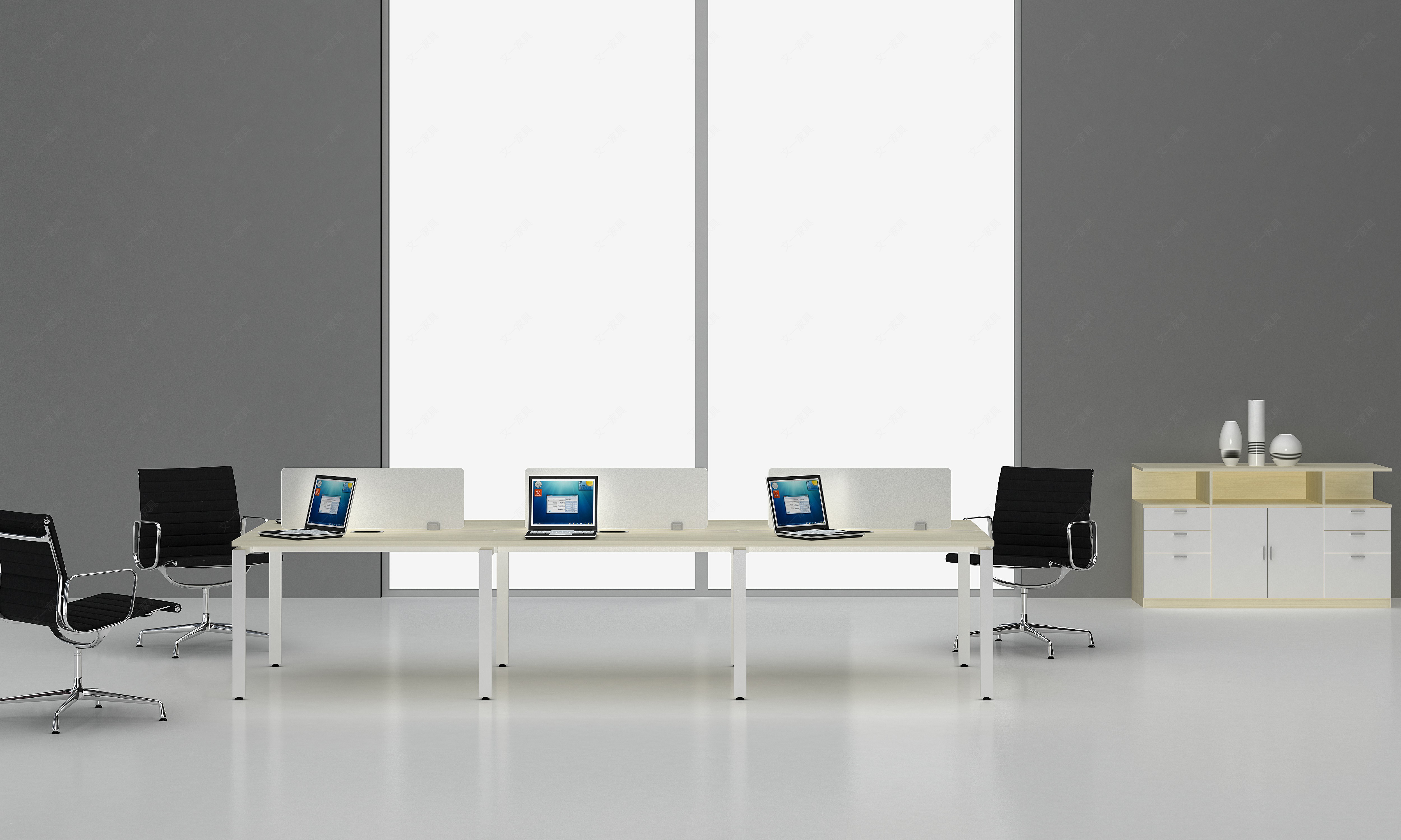
While customization is a major selling point for many manufacturers, the secret is that their capabilities are often more limited than advertised. Most professional office furniture manufacturers specialize in standard designs, and modifications can lead to significant cost overruns or quality compromises. For instance, changing the cut of a desk or adding specific cable management features may require new molds or tooling, which manufacturers will finance into your order without full disclosure. Moreover, a leading enterprise in the industry recently highlighted that some manufacturers reuse designs from different clients, diluting the uniqueness of your product. Regarding intellectual property, there’s a prevalent practice of replicating successful designs for other clients after your order is complete. While reputable firms like Dongguan Guanzhi Furniture Co have strict policies to protect client designs, many smaller factories do not. To safeguard your investment, always sign a non-disclosure agreement and a design exclusivity clause. Request prototypes before mass production to ensure modifications meet your specifications. Also, verify that the manufacturer has the technical capability for your desired changes—ask about their in-house design team and computer numerical control machinery. These steps help ensure that the customization you pay for truly adds value to your office environment.
Secret 5: Post-Sale Support and Warranty Limitations
The final secret is perhaps the most impactful: the true scope of warranty and after-sales service. Many Chinese manufacturers offer generous warranties—often 5 to 10 years—but the fine print reveals significant exclusions. For example, wear and tear on upholstery, damage from improper assembly, or issues from different environmental conditions are commonly excluded. A survey of imported office equipment found that over 60% of warranty claims are rejected due to these loopholes. Manufacturers also rarely provide on-site repair services outside of major cities, leaving you to cover shipping costs for returns or parts replacement. This can make a warranty nearly worthless for international buyers. A transparent approach is to request a complete warranty document before ordering, clarifying what is and isn’t covered. Look for manufacturers with local distributors or service partners in your region. Additionally, ask about the availability of spare parts—some suppliers guarantee parts for only 2–3 years after purchase. By understanding these limitations, you can budget for potential maintenance costs and choose a supplier that offers reliable post-sale support, ensuring your office furniture remains functional for its intended lifespan.
Summary and Outlook
Navigating the world of China’s professional office furniture manufacturers requires more than just comparing prices and catalogs. The secrets revealed here—from hidden material costs and inconsistent quality control to logistics pitfalls, customization constraints, and warranty limitations—underscore the importance of due diligence. By arming yourself with this knowledge, you can enter negotiations with clarity and ask the right questions. As the industry moves toward greater transparency and sustainability, manufacturers are gradually adopting better practices. In this evolving landscape, partners like Dongguan Guanzhi Furniture Co exemplify the shift toward honest communication and reliable service. Ultimately, building a successful partnership hinges on trust, detailed contracts, and a willingness to verify claims. The future of office furniture procurement lies in informed buyers who demand accountability, ensuring that the relationship benefits both parties. Approach your next purchase with these secrets in mind, and you’ll be well-positioned to secure quality, durable, and cost-effective solutions for your workspace.