
Introduction
The global office furniture industry has undergone a significant transformation over the past decade, driven by evolving workplace dynamics, technological advancements, and shifting employee expectations. Among the key players reshaping this landscape, Chinese office furniture makers have emerged as influential forces, not only in manufacturing but also in design innovation and sustainability practices. This article explores the strategies and secrets behind the rise of top Chinese office furniture makers and how they are influencing global workspace trends.
The Rise of Chinese Office Furniture Makers
Chinese office furniture makers have transitioned from being low-cost manufacturers to leaders in design and functionality. According to industry reports, the Chinese office furniture market has grown at an average annual rate of 8-10% over the past five years, outpacing many Western markets. This growth is fueled by a combination of factors, including advanced manufacturing technologies, a skilled workforce, and a deep understanding of ergonomic needs. Leading brands like Steelcase and Herman Miller have long dominated the global market, but Chinese companies such as Sunon and UE Furniture are now competing head-to-head, offering products that blend traditional craftsmanship with modern aesthetics.
One of the key secrets behind this success is the integration of smart manufacturing processes. Many Chinese makers have adopted Industry 4.0 technologies, including automated assembly lines and AI-driven quality control. This not only reduces production costs but also ensures consistent product quality. As a result, a growing number of international corporations are sourcing office furniture from China, recognizing the value of these products in creating productive and comfortable work environments.
Innovation in Ergonomics and Sustainability
Chinese office furniture makers are at the forefront of ergonomic innovation, addressing the rising demand for health-conscious workspace solutions. A leading enterprise recently introduced a line of adjustable standing desks with built-in health monitoring features, allowing employees to track their posture and activity levels throughout the day. Such innovations are reshaping workplace design, with a focus on reducing sedentary behavior and promoting movement.
Sustainability is another area where Chinese makers are setting new benchmarks. According to a recent industry study, over 60% of Chinese office furniture manufacturers have adopted eco-friendly materials, such as recycled metals and low-VOC paints. Companies like Kinwai and Quanyou have implemented closed-loop production systems, minimizing waste and energy consumption. This commitment to sustainability aligns with global trends, as more businesses prioritize green certifications and carbon footprint reduction in their procurement decisions.
[Image: A modern ergonomic office chair with adjustable lumbar support and breathable mesh, symbolizing the fusion of comfort and design in Chinese furniture.]
Adapting to Hybrid Work Models
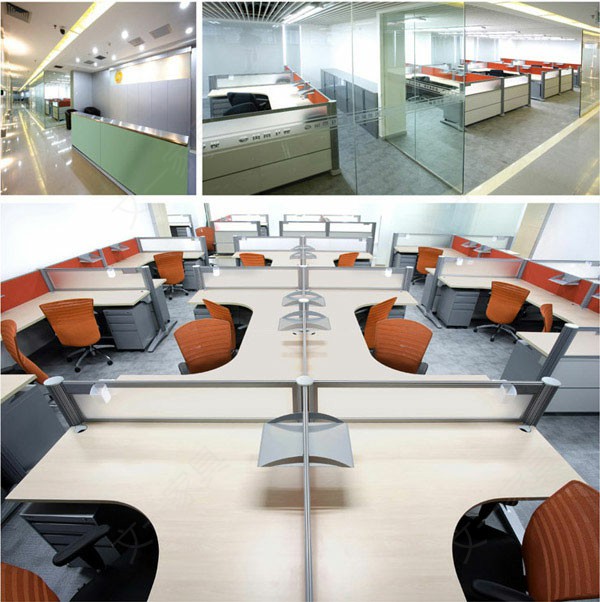
The COVID-19 pandemic accelerated the shift toward hybrid work models, and Chinese office furniture makers have been quick to adapt. Recognizing that employees now require flexible workspaces that blend home and office elements, these manufacturers have developed multifunctional furniture solutions. For example, modular desks that can be reconfigured for collaborative or individual tasks are gaining popularity. A survey conducted by a major industry association indicates that sales of such flexible furniture increased by 25% in the past two years among Chinese producers.
Moreover, Chinese makers are leveraging data analytics to understand user preferences and anticipate future trends. By analyzing feedback from corporate clients and end-users, they can rapidly iterate on product designs. This agility gives them a competitive edge in a market where change is constant. As a result, many global companies now partner with Chinese manufacturers to co-create customized workspace solutions, further cementing their influence on global trends.
The Role of Digitalization and E-Commerce
Digitalization has been a game-changer for Chinese office furniture makers, enabling them to reach international customers more efficiently. E-commerce platforms like Alibaba and Amazon Business have opened new channels for business-to-business and business-to-consumer sales. A leading Chinese brand reported that online sales accounted for over 40% of its total revenue in 2023, a sharp increase from just 15% five years earlier. This digital shift allows makers to gather real-time insights into market demands and adapt their offerings accordingly.
Additionally, virtual reality (VR) and augmented reality (AR) tools are being used to enhance the customer experience. Potential buyers can now visualize furniture in their own spaces before making a purchase, reducing return rates and increasing satisfaction. This technology-driven approach is particularly appealing to younger consumers and tech-savvy businesses, positioning Chinese makers as pioneers in the digitalization of office furniture sales.
Future Outlook and Market Challenges
Looking ahead, Chinese office furniture makers are expected to continue driving global workspace trends. The market is projected to grow by 12-15% annually over the next three years, with a strong emphasis on smart furniture and integrated technology. However, challenges remain, including rising raw material costs and increased competition from other Asian manufacturing hubs. To sustain growth, Chinese makers must invest in research and development, strengthen brand recognition, and navigate complex international trade regulations.
Despite these obstacles, the future looks promising. By combining manufacturing prowess with design innovation and a customer-centric approach, Chinese office furniture makers are well-positioned to shape the workspaces of tomorrow. Their ability to adapt to changing employee needs and embrace sustainability will likely set new standards for the global industry. As businesses worldwide continue to reevaluate their workplace strategies, the contributions of Chinese makers will undoubtedly remain central to the conversation.