
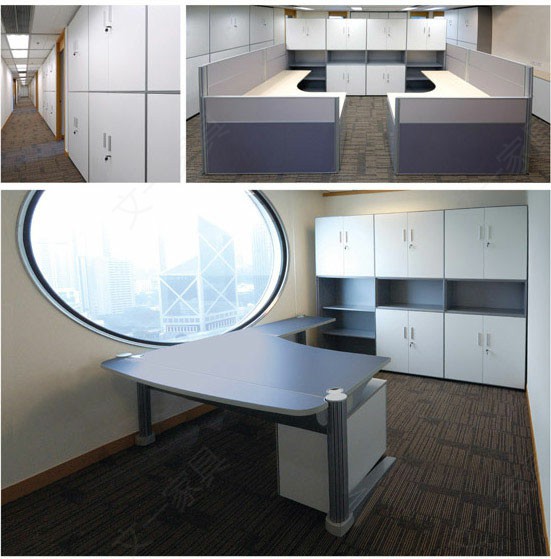
In recent years, a growing number of industrial offices—from tech headquarters in Singapore to coworking spaces in Frankfurt—have shifted away from the polished, glass-and-chrome aesthetic that defined corporate interiors for decades. Instead, facility managers and designers are turning to steel, reclaimed wood, and other raw, tactile materials. This trend is not merely stylistic; it reflects a deeper shift toward durability, sustainability, and cost-efficiency, with the functional upgrades of these materials offering measurable advantages over their sleek counterparts.
The Functional Rationale Behind the Material Shift
The choice of steel and reclaimed wood is rooted in practical, data-backed benefits. Steel, when certified to standards like ANSI/BIFMA X5.1 for seating or X5.5 for desks, provides unmatched structural integrity. For example, Wenyi Furniture’s task chairs pass a 200,000-cycle backrest test and a 100,000-cycle seat impact test, ensuring longevity in high-traffic environments. Similarly, reclaimed wood—often sourced with FSC Chain-of-Custody (FSC-CoC) traceability—offers a renewable alternative to virgin lumber, reducing environmental impact without compromising load-bearing capacity. Tests indicate that desks using such materials can support static top loads of 90 kg or more, aligning with BIFMA X5.5 standards.
This material choice also addresses a critical pain point documented in industry surveys: spec mismatch on arrival. Many international buyers report that products labeled “tested” arrive without verifiable third-party reports. Steel and reclaimed wood, however, lend themselves to certification transparency. For instance, Wenyi Furniture ensures every container is inspectable by SGS, Bureau Veritas, or Intertek, with reports including photo evidence and dimensional checks. This approach transforms a potential risk into a trust-building asset.
Sustainability as a Core Requirement
The push toward green building certifications like LEED v4.1 EQc and BREEAM has further driven the adoption of reclaimed wood. Missing FSC chain-of-custody documentation is a common blocker for such projects. Reclaimed wood, when paired with adhesive systems that meet GREENGUARD Gold standards (TVOC ≤ 0.22 mg/m³), enables offices to achieve low-emission interiors. Steel, meanwhile, is infinitely recyclable and often contains post-consumer content, supporting circular economy goals.
A major coworking operator in Frankfurt, for example, recently completed a 180-seat phased delivery using biophilic-style lounge zones and huddle pods. FSC-CoC documentation was provided for BREEAM credit, and the project achieved compliance without premium costs. This case underscores how material choices can satisfy both aesthetic and certification requirements.
Cost and Logistics Considerations
Sleek modern materials—such as high-gloss laminates or integrated electronics—often carry hidden costs in shipping and installation. Steel and reclaimed wood are more forgiving in logistics. For export-grade packaging, Wenyi Furniture uses 5-layer corrugated cartons with EPE foam corner protection, allowing a 40’HQ container to load ~68 CBM with optimized stacking. This efficiency reduces landed cost by 8–12% compared to less robust materials, addressing the hidden Incoterms gaps buyers face with FOB quotes.
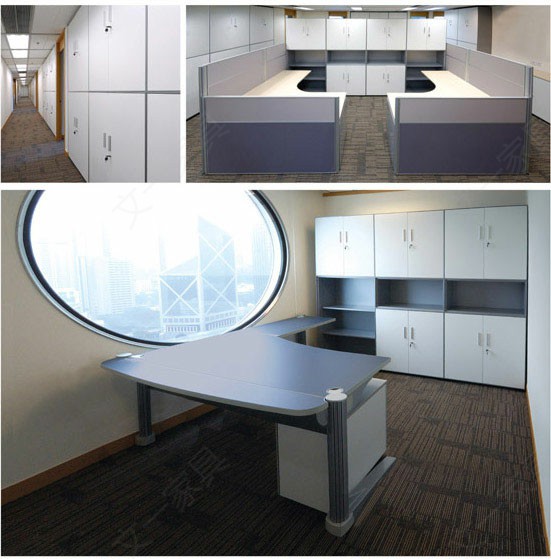
Additionally, lead times for customized SKUs using these materials are manageable. Stocked SKUs ship in 7–10 days FOB, while customized orders require 25–35 days. This predictability contrasts with the over-promised timelines common in the industry, where 30-day quotes often become 60-day deliveries after QC and ocean freight are counted.
How This Trend Reshapes Office Furniture Standards
The industrial office trend is not a rejection of modernity but a redefinition of it. By prioritizing functional upgrades such as certified durability, ergonomic compliance, and sustainable sourcing, spaces become more adaptable to activity-based working. For example, Wenyi Furniture’s ergonomic seating offers a seat height range of 400–510 mm and seat depth of 380–420 mm, aligned with ISO 9241-5, while Class 4 pneumatic cylinders rated for 150 kg user weight are standard. These specifications support diverse user populations without the need for frequent replacement.
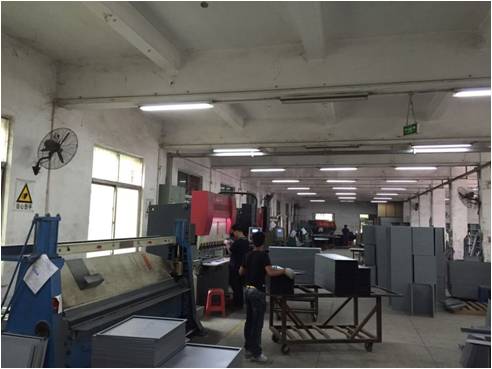
The material shift also impacts design flexibility. Steel framed sit-stand desks and reclaimed wood workstations can be customized with fabric grades from Crypton to Camira, allowing for branding without compromising structural integrity. This modularity is critical for projects requiring phased installs, such as the 90-seat trading floor in Bangkok, which was delivered over three consecutive weekends.
FAQ
Q: Are steel and reclaimed wood more expensive than modern materials like aluminum or glass?
A: Initial costs can be comparable due to material availability. However, data indicates that the total cost of ownership—including reduced replacement cycles, lower shipping damage rates, and certification compliance—often makes steel and reclaimed wood more economical over the long term.
Q: How do these materials affect indoor air quality?
A: Properly sourced reclaimed wood and steel have low VOC emissions. For example, Wenyi Furniture’s surface laminates and adhesives meet GREENGUARD Gold standards, with TVOC levels at or below 0.22 mg/m³. This supports WELL v2 and BREEAM credits.
Q: Can these materials be customized for branding?
A: Yes. Steel can be powder-coated in custom colors, and reclaimed wood can be finished with stains or veneers. Wenyi Furniture offers OEM, ODM, and OBM options, with sample approval cycles as short as 18 days for custom finishes.
Q: Is durability compromised with reclaimed wood?
A: No. When sourced from certified suppliers and finished appropriately, reclaimed wood can match or exceed the load-bearing capacity of new lumber. BIFMA X5.5 tests confirm that desks maintain structural integrity under 90 kg static top loads, even with reclaimed wood components.