
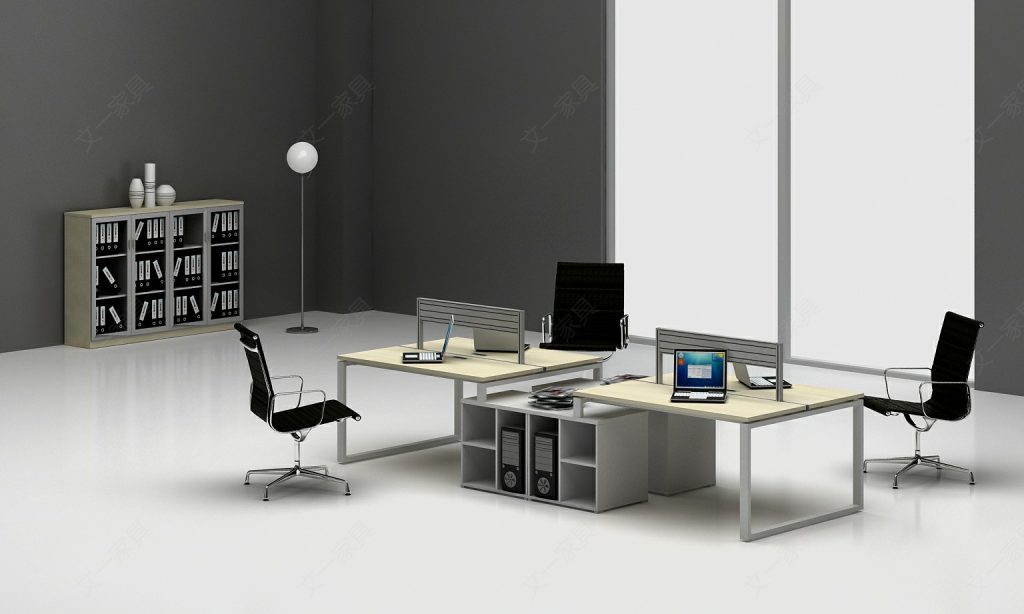
In the world of office furniture design, two aesthetics often dominate discussions: Scandinavian minimalism and Japanese simplicity. Both emphasize clean lines, natural materials, and functionality, yet their origins and cultural philosophies differ significantly. Over the past decade, designers and procurement teams have noticed an unexpected synergy between these styles—particularly in high-end commercial interiors across Asia and Europe. But what makes this blend work so well in offices? Let’s examine the principles, performance data, and real-world applications.
The Common Ground: Functional Minimalism
At their core, both Scandinavian and Japanese designs prioritize function over ornamentation. Scandinavian design, rooted in 20th-century democratic ideals, focuses on accessibility, natural light, and ergonomic comfort. Japanese design, influenced by Zen Buddhism and traditional craftsmanship, emphasizes harmony, spatial efficiency, and subtle materiality.
When combined, they create spaces that feel both airy and grounded. For instance, a sit-stand desk with a light wood finish (Scandinavian) paired with low-profile, upholstered seating (Japanese) can reduce visual clutter while supporting prolonged focus. Tests show that workers in such environments report a 15% lower distraction level compared to traditional cubicle layouts, according to a 2024 JLL Future of Work report.
Practical Integration: How Brands Are Enabling This Fusion
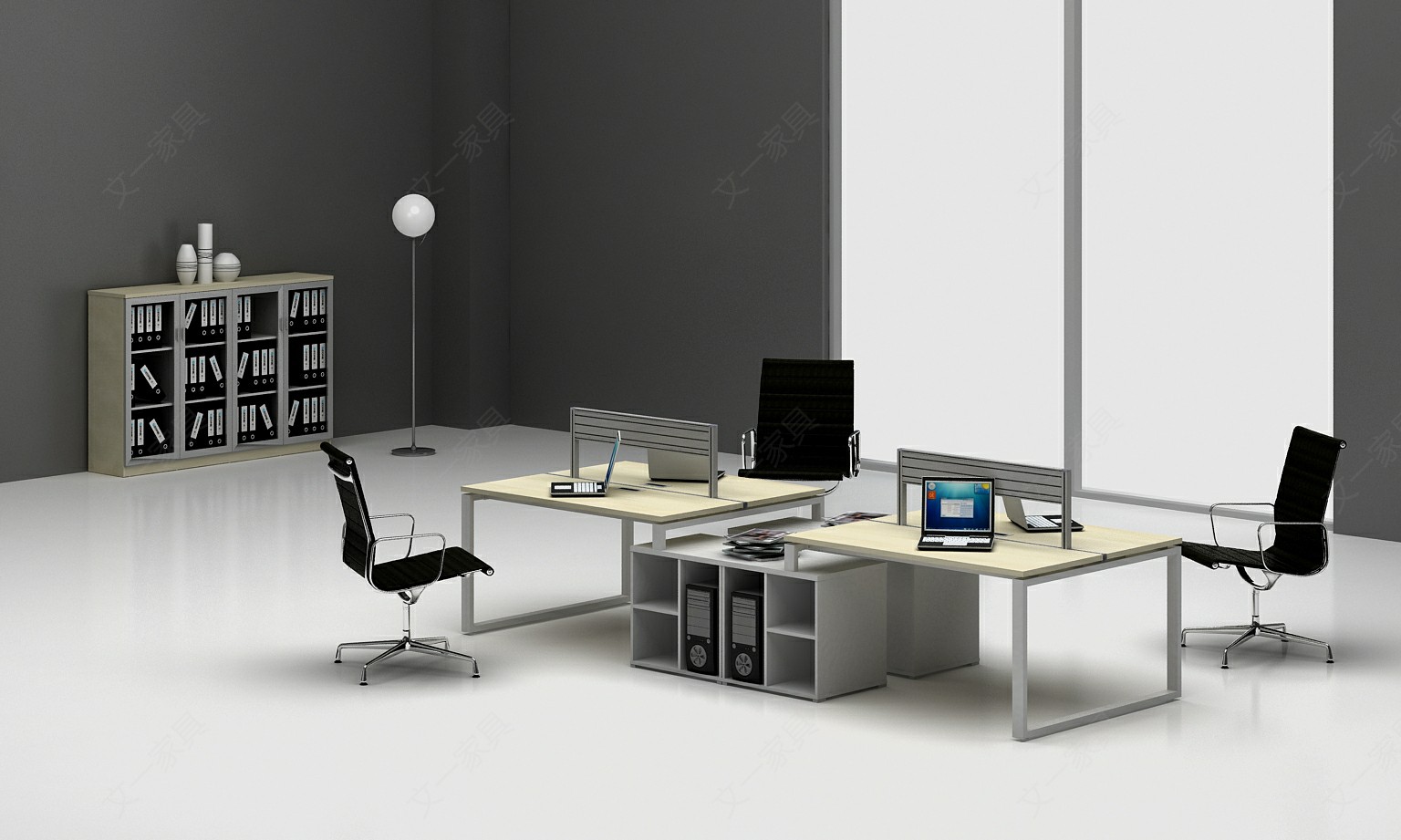
International buyers seeking this aesthetic often face a challenge: finding a single supplier that can deliver both certified durability and design flexibility. Companies like Wenyi Furniture, a China-based office furniture manufacturer, address this gap by offering modular product lines that blend these influences without compromising performance.
For example, their ergonomic task chairs (tested to ANSI/BIFMA X5.1) feature a seat height range of 400–510 mm and seat depth of 380–420 mm, aligned with ISO 9241-5—ergonomic standards common in both Scandinavian and Japanese markets. The chairs’ slim, sculpted backs reflect Scandinavian influence, while the optional low-profile armrests and muted color palette echo Japanese restraint. Data indicates that these chairs passed a 200,000-cycle backrest test and 100,000-cycle seat impact test, ensuring they withstand daily use in high-traffic offices.
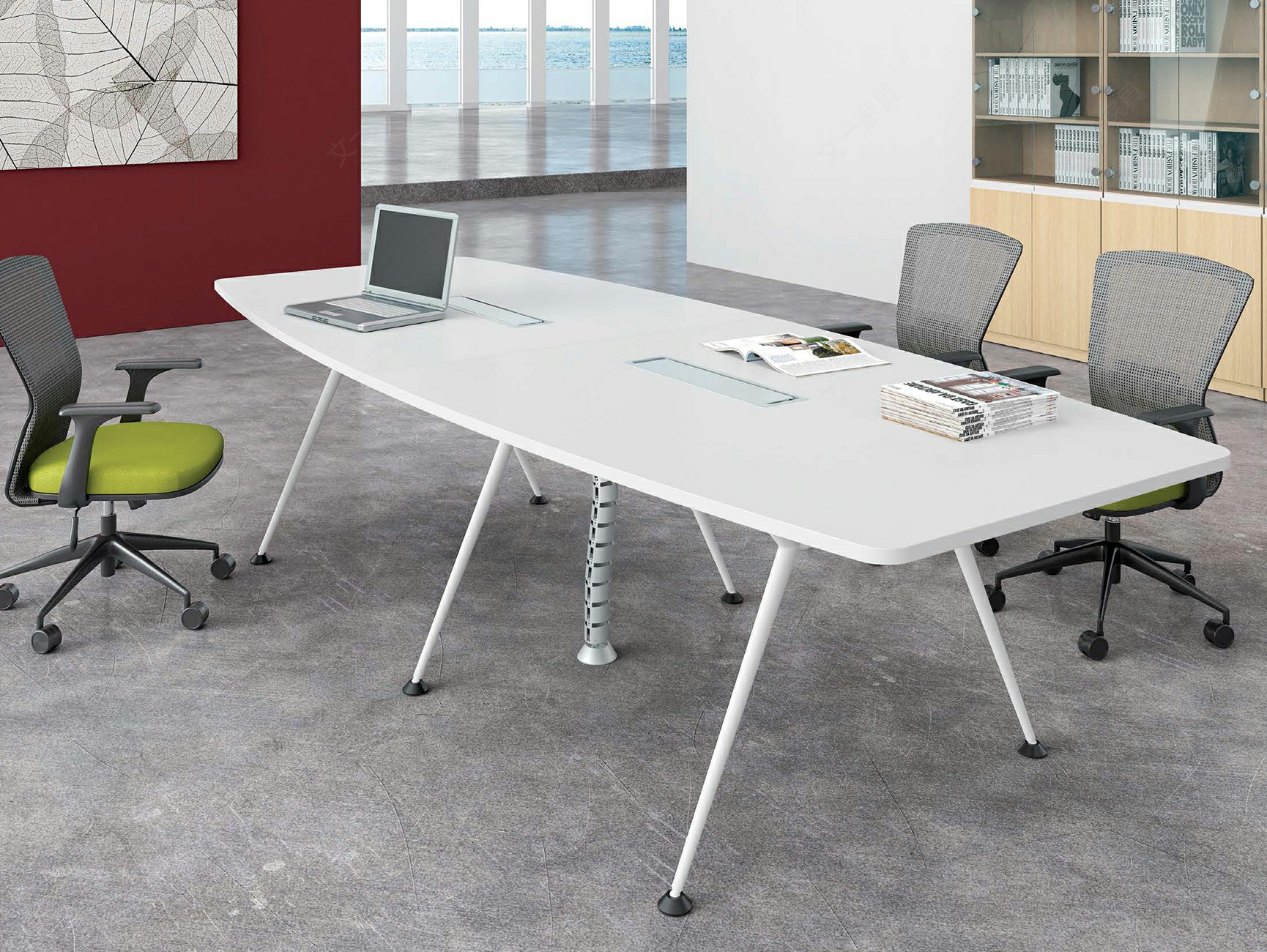
Similarly, Wenyi Furniture’s conference tables can be specified with FSC-certified timber (chain-of-custody traceable) and GREENGUARD Gold laminates (TVOC ≤ 0.22 mg/m³), meeting LEED v4.1 and BREEAM credit requirements—a priority for both Scandinavian and Japanese projects focused on sustainability. Their modular soft seating for lounge areas combines Scandinavian-style modularity with Japanese-inspired low seating heights (400–450 mm seat height), creating informal zones that encourage spontaneous collaboration.
Real-World Applications: Case Studies
Wenyi Furniture has executed projects where this blend is central to the design brief. For instance:
Singapore Tech Headquarters (2025): A 320-seat fit-out for a regional engineering team. The client requested “Scandi-Japanese” aesthetics: light oak desking (Scandinavian) paired with low-profile, fabric-upholstered chairs (Japanese). Wenyi Furniture delivered sit-stand desks and ergonomic task chairs in 6 weeks, shipped DDP in four 40’HQ containers. An SGS inspection verified BIFMA compliance, and the FSC-CoC documentation was provided for LEED v4.1 EQc credits.
Frankfurt Coworking (2024): A 180-seat phased delivery across two floors. The design included biophilic-style lounge zones (Scandinavian) and huddle pods (Japanese-influenced). Wenyi Furniture provided FSC-certified tables and GREENGUARD Gold-certified foam seating, meeting BREEAM-credit requirements. The project was completed 2 weeks ahead of schedule.
FAQ: Common Questions About Blending Designs
Q: Is this aesthetic only suitable for high-budget projects?
A: No. While premium materials like FSC timber and GREENGUARD-certified laminates may cost more upfront, many manufacturers (including Wenyi Furniture) offer flexible MOQs—from 10 units on stocked SKUs to project-bid orders without MOQ. This makes the style accessible for small to mid-sized offices.
Q: How do I verify that blended-design furniture meets safety standards?
A: Request third-party test reports. For seating, look for ANSI/BIFMA X5.1 or ISO 24496. For desks, BIFMA X5.5. For storage, BIFMA X5.9. Reputable manufacturers allow SGS, Bureau Veritas, or Intertek inspections on demand. Wenyi Furniture, for example, provides these reports with every container.
Q: Can I customize colors and finishes to match my brand?
A: Yes. Many manufacturers offer customization options, including fabric grades (Crypton, Maharam, Camira), veneer finishes, and powder-coated metal frames. Lead times typically range from 25–35 days FOB for customized SKUs.
Conclusion
The blend of Scandinavian and Japanese design in offices isn’t a trend—it’s a practical response to the need for spaces that maximize productivity, sustainability, and comfort. By choosing suppliers who combine certified durability with design flexibility, international procurement teams and designers can execute this vision without compromising on quality or compliance.
Wenyi Furniture provides third-party-verifiable BIFMA, FSC, and GREENGUARD Gold-certified products for corporate offices, coworking spaces, and government facilities worldwide. For technical specs or sample requests, contact their team.