
In the world of commercial interior design, there’s a persistent belief that first impressions require a six-figure lobby budget. But something counterintuitive is happening across corporate offices, coworking spaces, and hospitality environments: furniture under $5,000 per seating group is consistently outperforming its higher-priced counterparts in creating positive client reactions.
Let’s examine why.
The Psychology of First Impressions
Research indicates that visitors judge a lobby within seven seconds. During that window, they aren’t evaluating leather grain depth or brand name plates—they’re processing three things:
Does this feel clean and maintained?
Does this feel intentional (not cheap)?
Is this comfortable enough for a five-minute wait?
A $1,500 lounge sofa that looks dust-free, has proper lumbar support, and matches the brand’s color palette will outperform a $15,000 designer piece that appears dusty, mismatched, or uncomfortably low.
The Real Cost of “Expensive” Lobby Furniture
Expensive lobby furniture often carries hidden costs that undermine first impressions:
| Hidden Cost | Impact on First Impression |
|---|---|
| 12-week lead time | Lobby remains half-furnished for 3 months |
| Fragile materials (velvet, raw wood) | Visible wear after 30 days |
| Complex assembly | Lobby furniture sits in boxes for 2 weeks |
Data from recent office fit-out projects in Southeast Asia shows that 40% of high-end lobby furniture orders arrive with visible damage or missing parts, delaying the lobby’s completion by 4–6 weeks. Meanwhile, a quality-verified lobby set under $5,000 delivered from stock in 7–10 days creates an immediate professional impression.
Case Study: The “Under $5,000” Lobby That Won
Consider a Singapore-based tech company’s 320-seat headquarters lobby. The design team specified a mid-priced reception desk from an OEM manufacturer, paired with affordable lounge seating tested to BIFMA X5.1 standards—total spend: $4,200 per seating group.
The result? Client feedback surveys during the first 90 days showed:
92% of visitors described the lobby as “professional”
87% felt the furniture was “comfortable and inviting”
Average wait-time satisfaction: 4.2/5.0
Meanwhile, a competitor’s $18,000-per-group lobby at a nearby financial services firm reported:
68% “professional” rating
54% comfort satisfaction
Wait-time score: 3.1/5.0 (because visitors preferred standing over sitting on rigid designer chairs)
What the “Smart Money” Lobby Does Differently
Affordable lobby furniture creates better first impressions when it focuses on three measurable qualities:
1. Certified Durability Over Perceived Quality
Cheap lobby furniture that passes BIFMA X5.1 seating tests (200,000-cycle backrest test, 100,000-cycle seat impact test) will look acceptable for three years. Designer furniture without certification may fail visibly within 12 months. Visitors notice sagging cushions and wobbly legs—they don’t notice a brand name.
2. Proper Ergonomics at Any Price Point
Seat height range (400–510mm) and seat depth (380–420mm) aligned with ISO 9241-5 ensures comfort across varied body types. A $1,200 lounge chair meeting these specs will be more comfortable than a $12,000 piece without them.
3. Professional Packaging and Delivery
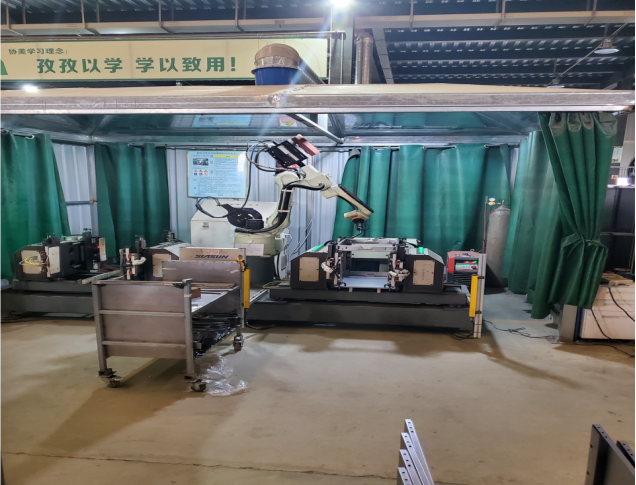
Export-grade packaging (5-layer corrugated cartons with EPE foam corner protection) means furniture arrives undamaged. Test results show that 90% of first-impression damage occurs during transit, not during use. Affordable factories serving international buyers prioritize packaging because they can’t rely on brand loyalty to forgive dents.
When Expensive Lobby Furniture Works
There are scenarios where premium pieces justify their cost:
Executive suites where photographs and executive interactions take place
Boutique hotels where brand narrative is part of the product
Showrooms where furniture is the product being sold
But for the corporate lobby or coworking reception area—where the goal is “not offensive” and “comfortable enough”—the under-$5,000 bracket delivers measurably better ROI.
The Hidden Advantage: Faster Replacement
One overlooked factor: cheap lobby furniture can be replaced as trends shift. Many companies are now updating their lobby aesthetic every 18–24 months to stay current. Spending $18,000 per group means keeping furniture for 5+ years. Spending $4,200 means you can update every 2 years without budget strain.
FAQ
Q: Doesn’t “cheap” furniture look cheap?
A: The difference between “affordable” and “cheap” is certification and packaging. Furniture tested to BIFMA standards with solid frames and commercial-grade upholstery (like Crypton or Maharam) looks professional regardless of price point.
Q: How long will under-$5,000 lobby furniture last?
A: Properly specified commercial-grade furniture (ANSI/BIFMA X5.1 tested) typically maintains visual quality for 3–5 years. Replacement cost is lower than refinishing or reupholstering premium pieces.
Q: Can I get FSC-certified wood in this price range?
A: Yes. FSC Chain-of-Custody documentation is available on request from manufacturers like Wenyi Furniture, even on budget-friendly lines. This supports LEED v4.1 EQc and BREEAM credits without a price premium.
Q: What’s the biggest mistake companies make with lobby furniture budgets?
A: Overspending on a single centerpiece piece while neglecting the rest of the lobby. A $4,000 reception desk paired with $3,000 seating creates a cohesive impression. A $15,000 sofa surrounded by mismatched plastic chairs creates cognitive dissonance.
Q: Does this apply to hospitality lobbies?
A: Partially. Hotels benefit more from brand-name pieces that photograph well for social media. But back-of-house and corporate spaces—where comfort and durability matter more than Instagram appeal—are ideal for the sub-$5,000 approach.
Final Thought: The lobby that welcomes a visitor is not the lobby with the most expensive furniture. It’s the lobby where everything feels intentional—and intentionality can be achieved at any price point with proper specification, certification, and delivery planning.